%2Ffit-in%2F250x250%2Fguide_websites%2F73019%2Fimages%2F1768792463477logo-removebg-preview2.png&w=1920&q=100)
/users/468c54f1-2616-4087-ab03-8e06040156bb/ratecard/2-mkkkcj6i.jpg)
%2F300x300%2Fusers%2F468c54f1-2616-4087-ab03-8e06040156bb%2Fratecard%2F2-mkkkcj6i.jpg&w=256&q=75)
%2F300x300%2Fusers%2F468c54f1-2616-4087-ab03-8e06040156bb%2Fimages%2Ffishing-florida-adventure-2241.jpg&w=256&q=75)
%2F300x300%2Fusers%2F468c54f1-2616-4087-ab03-8e06040156bb%2Fimages%2Fnorth-miami-beach-fishing-2282.jpg&w=256&q=75)
%2F300x300%2Fusers%2F468c54f1-2616-4087-ab03-8e06040156bb%2Fimages%2Ffishing-florida-2295.jpg&w=256&q=75)
%2F300x300%2Fusers%2F468c54f1-2616-4087-ab03-8e06040156bb%2Fimages%2Ffishing-north-miami-beach-2125.jpg&w=256&q=75)
%2F300x300%2Fusers%2F468c54f1-2616-4087-ab03-8e06040156bb%2Fimages%2Fnorth-miami-beach-fishing-2234.jpg&w=256&q=75)
%2F300x300%2Fusers%2F468c54f1-2616-4087-ab03-8e06040156bb%2Fimages%2Fanglers-fishing-florida-2192.jpg&w=256&q=75)
%2F300x300%2Fusers%2F468c54f1-2616-4087-ab03-8e06040156bb%2Fimages%2Ffishing-triumph-fl-2297.jpg&w=256&q=75)
%2F300x300%2Fusers%2F468c54f1-2616-4087-ab03-8e06040156bb%2Fimages%2Ffishing-cruise-north-miami-beach-2287.jpg&w=256&q=75)
PM Offshore Fishing Miami Beach Tuna Mahi Charter
What you will be catching:
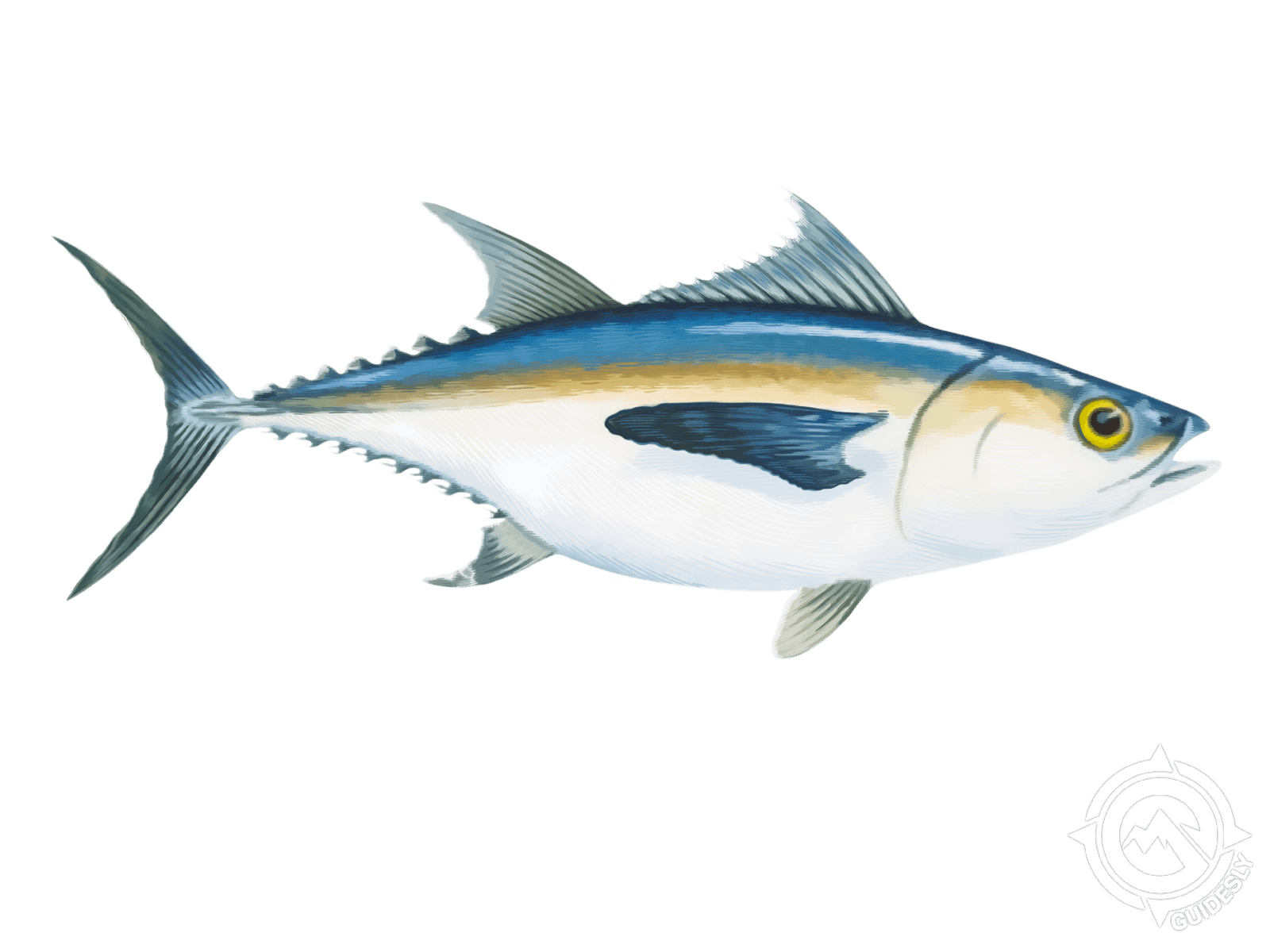
 Blackfin Tuna
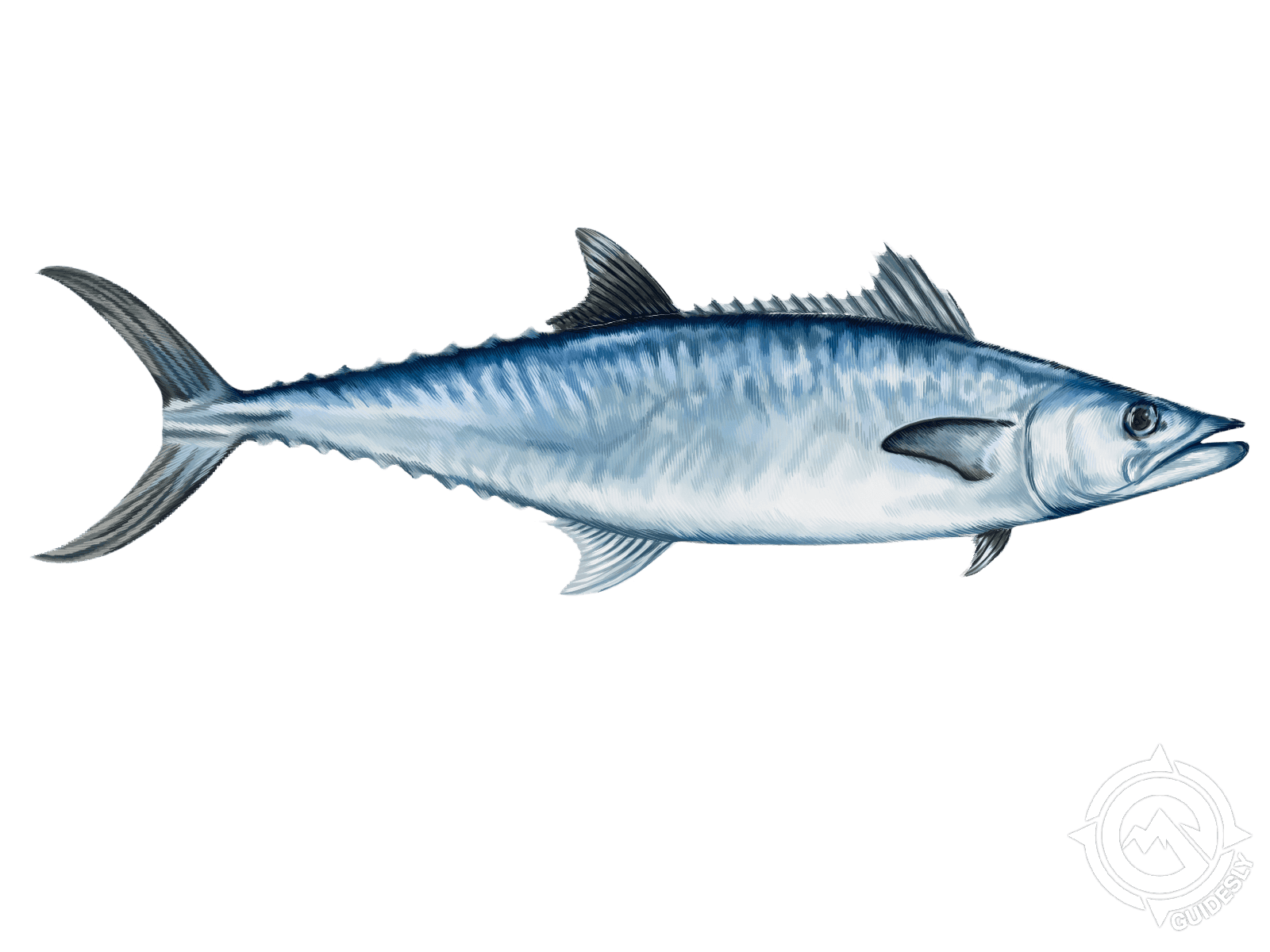
 King Mackerel
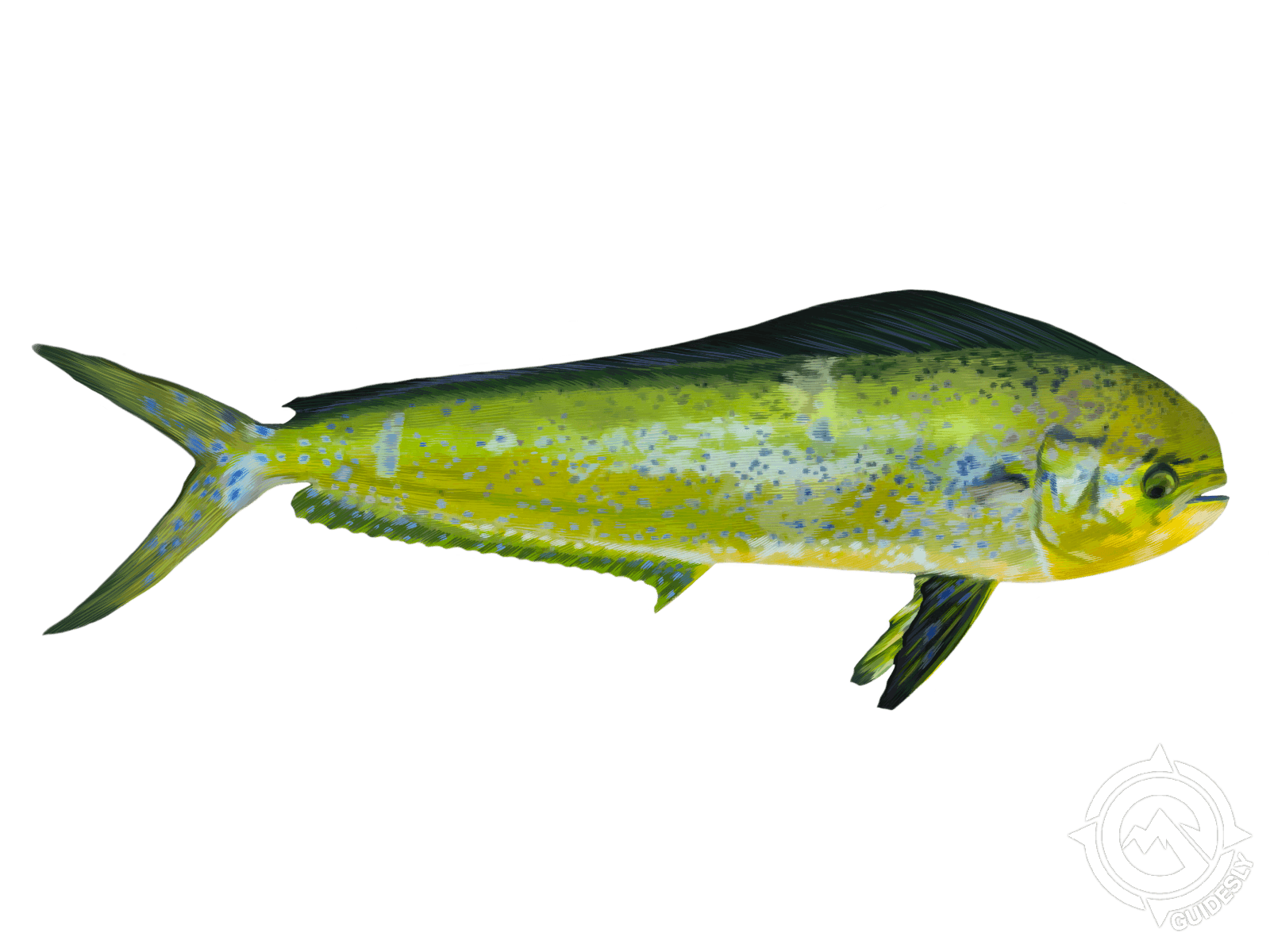
 Mahi Mahi or Common Dolphinfish
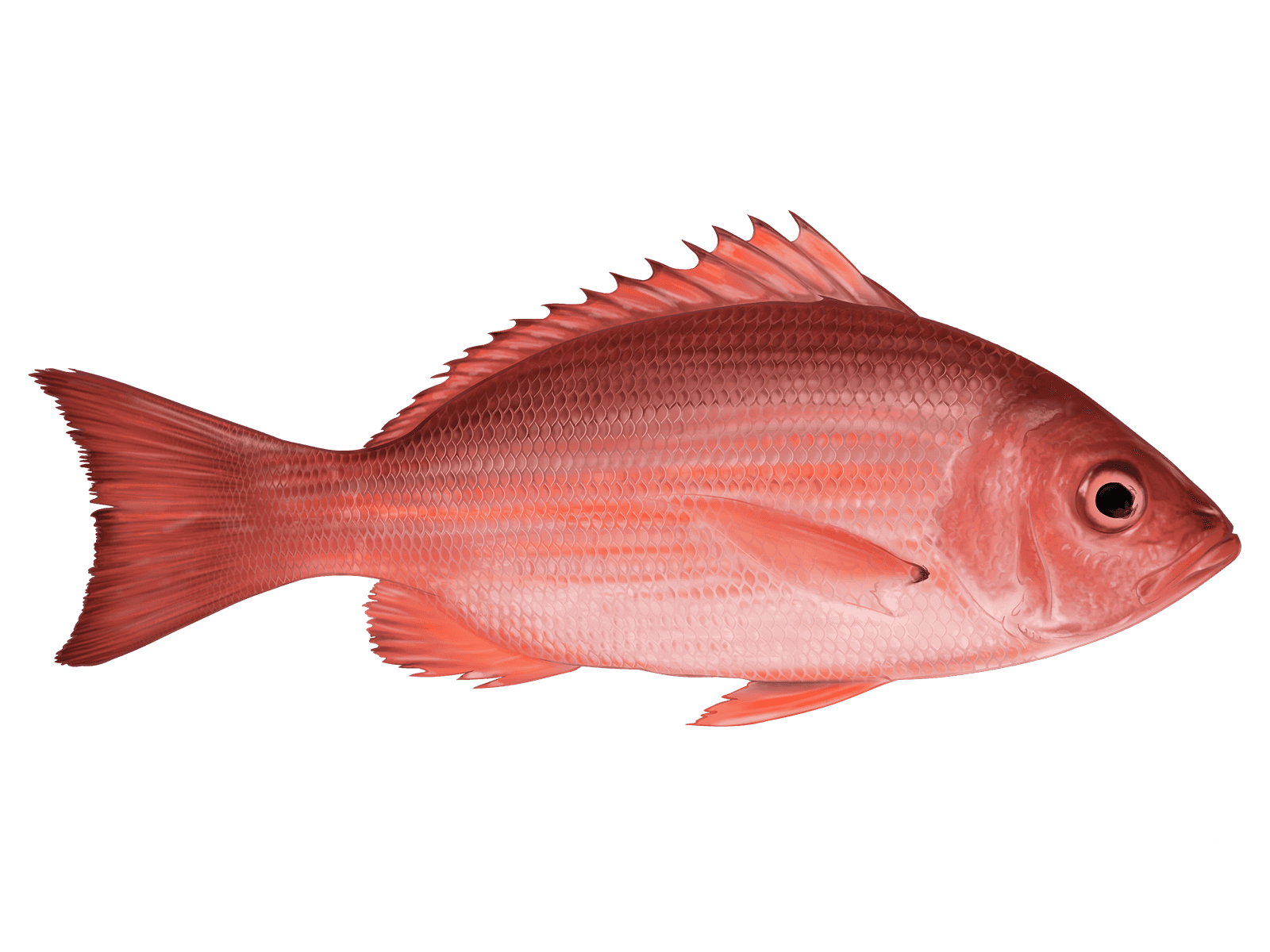
 Red Snapper
 Wahoo Fish
- 4-hour afternoon charter targeting tuna and mahi-mahi offshore
- Small group experience for up to 4 passengers maximum
- Expert captain navigates directly to productive Atlantic fishing grounds
Trip Pricing and Availabilities:
Deep Sea Fishing Charter in Miami Beach (PM)
Listen, I've been guiding anglers out of Miami Beach for years, and this 4-hour afternoon deep sea fishing trip hits the sweet spot for serious fishing without eating up your whole day. We're talking about a customer favorite that gets you into those productive Atlantic waters where the fish are biting, the currents are strong, and the action is consistent. You'll be targeting some of the most sought-after species in these waters – blackfin tuna, king mackerel, mahi mahi, wahoo, and red snapper – all within a short run from the marina. This world-class fishery is right in our backyard, and with South Pointe Adventures, you're getting that local knowledge that makes the difference between a good day and a great day on the water.
What to Expect on the Water
This afternoon charter is perfect for anglers who want to experience the real deal without the commitment of a dawn-to-dusk trip. We keep our groups small – just 4 guests max – so you're not fighting for rod time or space at the rail. The beauty of this timing is that we're hitting the water when the afternoon bite is firing up, and those deep Atlantic currents are moving bait around like a dinner bell for pelagic species. The boat ride out is quick, meaning we spend more time with lines in the water and less time burning fuel. You'll feel that transition when we hit the blue water – the temperature drops, the color changes, and you know you're in fish country. The Gulf Stream influence here creates perfect conditions for the species we're targeting, and the underwater structure just offshore holds fish year-round. Expect to work different depths and techniques as we follow the bite, and don't be surprised when we mark schools on the fish finder.
Techniques and Tackle
We're running a combination of trolling spreads and live bait techniques that have proven successful in these waters. The trolling spread typically includes a mix of ballyhoo, cedar plugs, and diving plugs designed to cover different depths in the water column. When we mark fish or hit structure, we'll switch to live bait – pilchards, goggle eyes, or whatever we're seeing in the area. The tackle is sized appropriately for the species we're targeting, from 20-pound class for the mahi and smaller tuna to 40-pound gear when we're hunting wahoo and kings. Spinning gear is always rigged and ready for sight fishing opportunities, especially when we find floating debris or weed lines holding fish. The key is staying flexible and reading the conditions – some days the fish want fast-moving baits, other days they're finicky and want something presented naturally. We'll adjust our approach based on what the fish are telling us, whether that's changing trolling speeds, switching baits, or moving to different depths.
Top-Rated Species Breakdown
Blackfin tuna are the bread and butter of this fishery, and for good reason. These fish average 10-25 pounds and fight way above their weight class. They school up around structure and current breaks, and when you find them, you can usually count on multiple hookups. The best time for blackfins is typically fall through spring, but we see them year-round in deeper water. What makes them special is their willingness to eat both trolled baits and live offerings, plus they're fantastic on the table.
King mackerel are the speed demons of this group, and Miami Beach waters are renowned for producing quality fish. These toothy critters can range from 10 pounds up to 40-plus, and they'll test your drag system and your nerve. Kings are most active during the cooler months, roughly October through March, and they love live bait presented near structure or in current seams. The fight is explosive – they'll make blistering runs and throw themselves clear of the water trying to shake the hook.
Mahi mahi bring the color and the chaos that every angler loves. These brilliant fish are opportunistic feeders that school around floating debris, weed lines, and current breaks. They average 5-20 pounds in these waters, with occasional bulls pushing 30-plus. Mahi are most abundant in warmer months but can show up any time conditions are right. When you hook into a school, it's all hands on deck – they'll stay around the boat as long as you keep one hooked, leading to those memorable multiple-hookup situations.
Wahoo are the ghosts of the offshore world – when they show up, things get exciting fast. These fish are built for speed, capable of runs that will empty a reel in seconds. They average 20-50 pounds in our area and are most common during winter months when water temperatures cool. Wahoo typically hit trolled baits hard and fast, and their razor-sharp teeth mean you need wire leader and sharp reflexes. Landing one is always a highlight of any trip.
Red snapper round out our target list and represent some of the best eating in the ocean. These bottom dwellers are found around structure in 80-200 feet of water, and they'll readily take both live and dead baits. They average 3-15 pounds, with larger fish possible around deeper structure. Snapper fishing requires different techniques than targeting pelagics – we're talking about precise bottom fishing with appropriate weights and sharp hooks. The bite can be subtle, but once you feel that distinctive snapper headshake, you know you're connected to something special.
Time to Book Your Spot
This afternoon deep sea charter represents the best value in Miami Beach offshore fishing – you get the full experience without the full-day commitment. The 4-hour window is perfectly timed for productive fishing, the small group size ensures personal attention, and the species variety keeps things interesting from start to finish. Whether you're a local looking for a quick fix or a visitor wanting to experience world-class fishing, this trip delivers consistently. The boat is maintained to high standards, the tackle is top-rated, and the local knowledge is what separates a trending trip from just
Learn more about the animals
Blackfin Tuna
The smallest of the tuna family, blackfins typically run 10-30 pounds around Miami's offshore waters. These beautiful fish have dark backs with golden sides that fade once brought aboard. You'll find them in 100-400 feet of water, often schooling with skipjacks near current breaks and temperature changes. They're most active during our cooler months from October through April. What makes blackfins special is their incredible fight - they're lightning fast and pull hard for their size. The meat is excellent, with a mild flavor perfect for sashimi or grilling. Here's a local tip: scale down your tackle with light fluorocarbon leaders since these fish have sharp eyesight. Use small circle hooks and let live pilchards drift naturally in the current - blackfins can't resist that presentation.
King Mackerel
Kings are speed demons that'll test your drag system. These silver bullets typically range 20-40 pounds in our waters, though we see plenty bigger. They cruise the 40-150 foot range along drop-offs and structure, especially around wrecks and reefs. Peak season runs fall through spring when they migrate through South Florida. What guests love about kings is the blistering runs - they'll scream line off your reel faster than almost anything out there. Plus, they make great eating with firm, flaky white meat. The key to landing kings is using a wire leader since their razor-sharp teeth will cut through anything else. Rig two hooks on your live bait - one through the nose, another free-swinging near the tail. Kings typically hit the back half of the bait, so that stinger hook saves the day.
Mahi Mahi or Common Dolphinfish
Mahi are the most colorful fish you'll catch offshore, flashing gold, green, and blue before fading after the fight. These fast-growing fish average 15-25 pounds, though bulls can push 50+. Look for them around floating debris, weed lines, and current edges in 100-1000 feet of water. They're most abundant here from spring through fall when water temps stay warm. Guests love mahi for their acrobatic jumps and the fact that where you catch one, there's usually more. The white, flaky meat is some of the best eating in the ocean. My go-to technique is trolling colorful skirted baits or ballyhoo at 8-10 knots along weed lines. Once you hook up, keep one angler fighting while others cast small jigs or live bait to the school - mahi are curious and competitive.
Red Snapper
Red snappers are the ultimate bottom dwellers and one of the best eating fish in the Gulf Stream. These brick-red beauties typically run 5-15 pounds, though 20+ pounders aren't uncommon around structure. You'll find them hugging hard bottom, wrecks, and ledges in 80-200 feet of water. They're available year-round but fishing peaks during our spawning season from May through October. What guests love is the solid fight - snappers are bulldogs that use every bit of structure to their advantage. The sweet, flaky white meat is restaurant quality. For best results, use heavy tackle with 60-80lb braid and circle hooks. Fresh cut bait like squid or cigar minnows works great, but live pinfish or grunts get the bigger fish. Keep steady pressure and don't give them slack - they'll wrap you up in the structure every time.
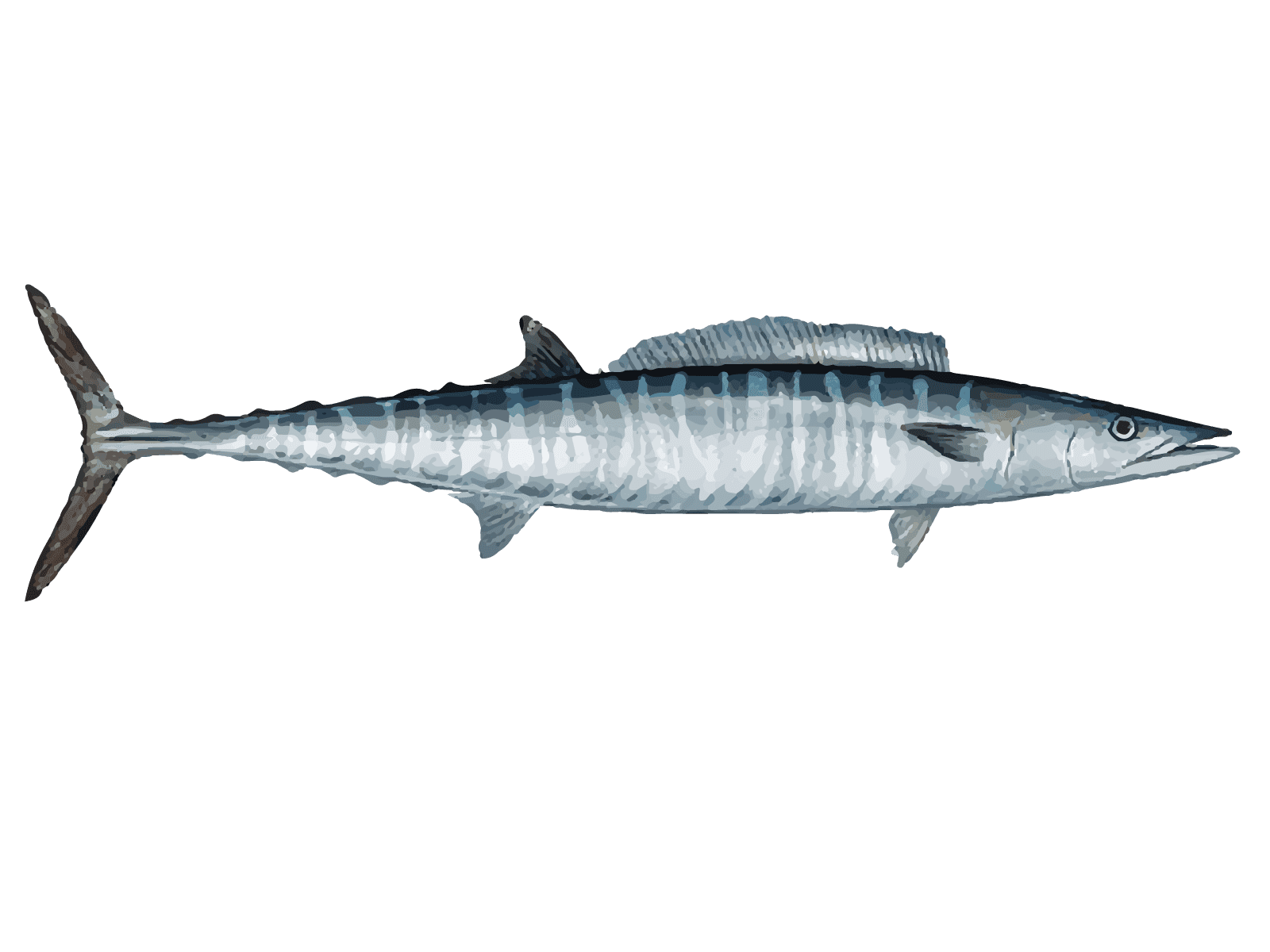
Wahoo Fish
Wahoo are the fastest fish we target, hitting speeds of 50+ mph with razor-sharp teeth to match. These torpedo-shaped predators typically run 25-60 pounds in our deep Atlantic waters. Find them along current breaks and drop-offs from 200-600 feet, usually as loners or in small groups. Best fishing is fall through spring when they're most active off Miami. What makes wahoo special is that blistering initial run - nothing prepares you for it. The meat is white, flaky, and delicious, often called "chicken of the sea." High-speed trolling at 15+ knots with wire leaders is essential - their teeth will slice through anything else. Bullethead lures and rigged ballyhoo work best. Here's the key: when one hits, don't slow down immediately. Keep the lure moving for a few seconds to ensure a solid hookup before backing off the throttle.
About the Proline 2000
%2F%2Fusers%2F468c54f1-2616-4087-ab03-8e06040156bb%2Fvehicle_picture%2Fboatpicture1-mkkh8iwc.jpg&w=1920&q=75)
Vehicle Guest Capacity: 6
Manufacturer Name: Suzuki
Maximum Cruising Speed: 34
Number of Engines: 1
Horsepower per Engine: 300