%2Ffit-in%2F250x250%2Fguide_websites%2F73019%2Fimages%2F1768792463477logo-removebg-preview2.png&w=1920&q=100)
/users/468c54f1-2616-4087-ab03-8e06040156bb/ratecard/aqchvfboodhlz3qpjghwjgld1pqr4bmzqml28ohjumvmvccqwprul1ezdsh4tl3amg3dkuhrhghzk-dah3ugydfdacg2u4uee8tgrlilz-fapq7oke9hv0r11vpw-8enai-_j6fjy36zwgchl3oehxgonnp5qvxqhums300-mkkk8dau.jpg)
%2F300x300%2Fusers%2F468c54f1-2616-4087-ab03-8e06040156bb%2Fratecard%2Faqchvfboodhlz3qpjghwjgld1pqr4bmzqml28ohjumvmvccqwprul1ezdsh4tl3amg3dkuhrhghzk-dah3ugydfdacg2u4uee8tgrlilz-fapq7oke9hv0r11vpw-8enai-_j6fjy36zwgchl3oehxgonnp5qvxqhums300-mkkk8dau.jpg&w=256&q=75)
%2F300x300%2Fusers%2F468c54f1-2616-4087-ab03-8e06040156bb%2Fimages%2Ffishing-florida-adventure-2241.jpg&w=256&q=75)
%2F300x300%2Fusers%2F468c54f1-2616-4087-ab03-8e06040156bb%2Fimages%2Fnorth-miami-beach-fishing-2282.jpg&w=256&q=75)
%2F300x300%2Fusers%2F468c54f1-2616-4087-ab03-8e06040156bb%2Fimages%2Ffishing-florida-2295.jpg&w=256&q=75)
%2F300x300%2Fusers%2F468c54f1-2616-4087-ab03-8e06040156bb%2Fimages%2Ffishing-north-miami-beach-2125.jpg&w=256&q=75)
%2F300x300%2Fusers%2F468c54f1-2616-4087-ab03-8e06040156bb%2Fimages%2Fnorth-miami-beach-fishing-2234.jpg&w=256&q=75)
%2F300x300%2Fusers%2F468c54f1-2616-4087-ab03-8e06040156bb%2Fimages%2Fanglers-fishing-florida-2192.jpg&w=256&q=75)
%2F300x300%2Fusers%2F468c54f1-2616-4087-ab03-8e06040156bb%2Fimages%2Ffishing-triumph-fl-2297.jpg&w=256&q=75)
%2F300x300%2Fusers%2F468c54f1-2616-4087-ab03-8e06040156bb%2Fimages%2Ffishing-cruise-north-miami-beach-2287.jpg&w=256&q=75)
Miami Beach Eco Wildlife Fishing Cruise Morning
What you will be catching:
 Blackfin Tuna
 King Mackerel
 Mahi Mahi or Common Dolphinfish
 Red Snapper
 Wahoo Fish
- 4-hour morning fishing trip with wildlife watching opportunities
- Small group size of 4 guests ensures personalized guide attention
- All skill levels welcome with complete technical guidance provided
Trip Pricing and Availabilities:
Miami Beach Eco Fishing & Wildlife Adventure
Get ready for something different on the water around Miami Beach. This 4-hour morning eco fishing and wildlife tour combines serious angling with wildlife watching in some of South Florida's most productive waters. We're talking about a fishing trip that goes beyond just dropping lines – you'll explore marine ecosystems, spot dolphins and sea turtles, and fish for some of the Atlantic's most sought-after species. With just 4 guests max, you get personalized attention and plenty of room to cast without bumping elbows. Morning trips mean calmer seas, active fish, and cooler temperatures before the Miami heat kicks in.
What to Expect on the Water
We launch early to catch the prime fishing window when predator fish are most active. The morning bite around Miami Beach is legendary – that's when the big boys come up to feed in the shallows and along the reef edges. You'll spend time in multiple zones, from the crystal-clear waters near the reef where you can actually see fish swimming below, to the deeper blue water where the pelagics cruise. The eco aspect means we're not just focused on filling the cooler – we'll slow down to watch dolphin pods, point out different seabird species, and explain how the Gulf Stream influences everything from water temperature to fish migration patterns. Between fishing spots, keep your camera ready because Miami Beach from the water offers some seriously Instagram-worthy shots of the skyline and South Beach.
Techniques and Tackle Setup
We run a mix of trolling and live bait fishing depending on what's biting and where we find the action. For the bigger pelagics like mahi and kingfish, we'll troll with colorful lures and ballyhoo rigs at varying depths to cover more water. When we mark fish on the sonar or find a good structure, we'll switch to live bait – pilchards, goggle eyes, or whatever's available at the bait shop that morning. The boat comes equipped with quality spinning and conventional reels spooled with appropriate line weights, but if you've got your own favorite setup, bring it along. We also carry different weights of tackle since you might be fighting a 10-pound mahi one minute and a 40-pound king mackerel the next. The guide will match your experience level to the right rod and help with technique – whether you're learning to work a live bait or perfecting your trolling spread.
Top Catches This Season
Blackfin tuna are the speed demons of this trip – these smaller cousins of the yellowfin rarely grow past 30 pounds but they fight like fish twice their size. They school up in the blue water and when you find them, it's usually game on for multiple hookups. Spring through fall offers the most consistent action, and they're fantastic on the dinner table. King mackerel patrol the reef edges and wrecks, growing up to 50 pounds in these waters. They're notorious for their blistering first runs and razor-sharp teeth – definitely a fish that gets your adrenaline pumping. Peak season runs from October through March when the big females move through on their spawning migration.
Mahi mahi bring the color and acrobatics to your fishing day. These brilliant green and gold fish love floating debris and weed lines, often traveling in small schools. They're most common during the warmer months and smaller "bailers" under 10 pounds can turn into feeding frenzies where everyone on board stays busy. Wahoo are the ghosts of the deep blue – sleek, fast, and armed with serious teeth. They're less common but when one hits, you'll know it. These fish can reach 60+ pounds and make runs that'll test your drag settings and your grip strength. Red snapper round out the lineup as the bottom dwellers of the bunch. While most of your fishing targets the upper water column, when we hit structure in deeper water, these crimson beauties provide consistent action and excellent table fare.
Time to Book Your Adventure
This top-rated eco fishing and wildlife tour offers something you won't find on typical Miami fishing charters – the perfect blend of serious angling and environmental education. With small group sizes and morning departure times that beat both the crowds and the afternoon chop, you're looking at a world-class fishing experience that's become a customer favorite for good reason. The waters around Miami Beach consistently produce year-round, but booking ahead ensures you get your preferred dates since we only take 4 guests per trip. Whether you're an experienced angler wanting to try something new or a family looking for an educational ocean adventure, this guided trip delivers the kind of day on the water that keeps people talking long after they're back on dry land.
Learn more about the species
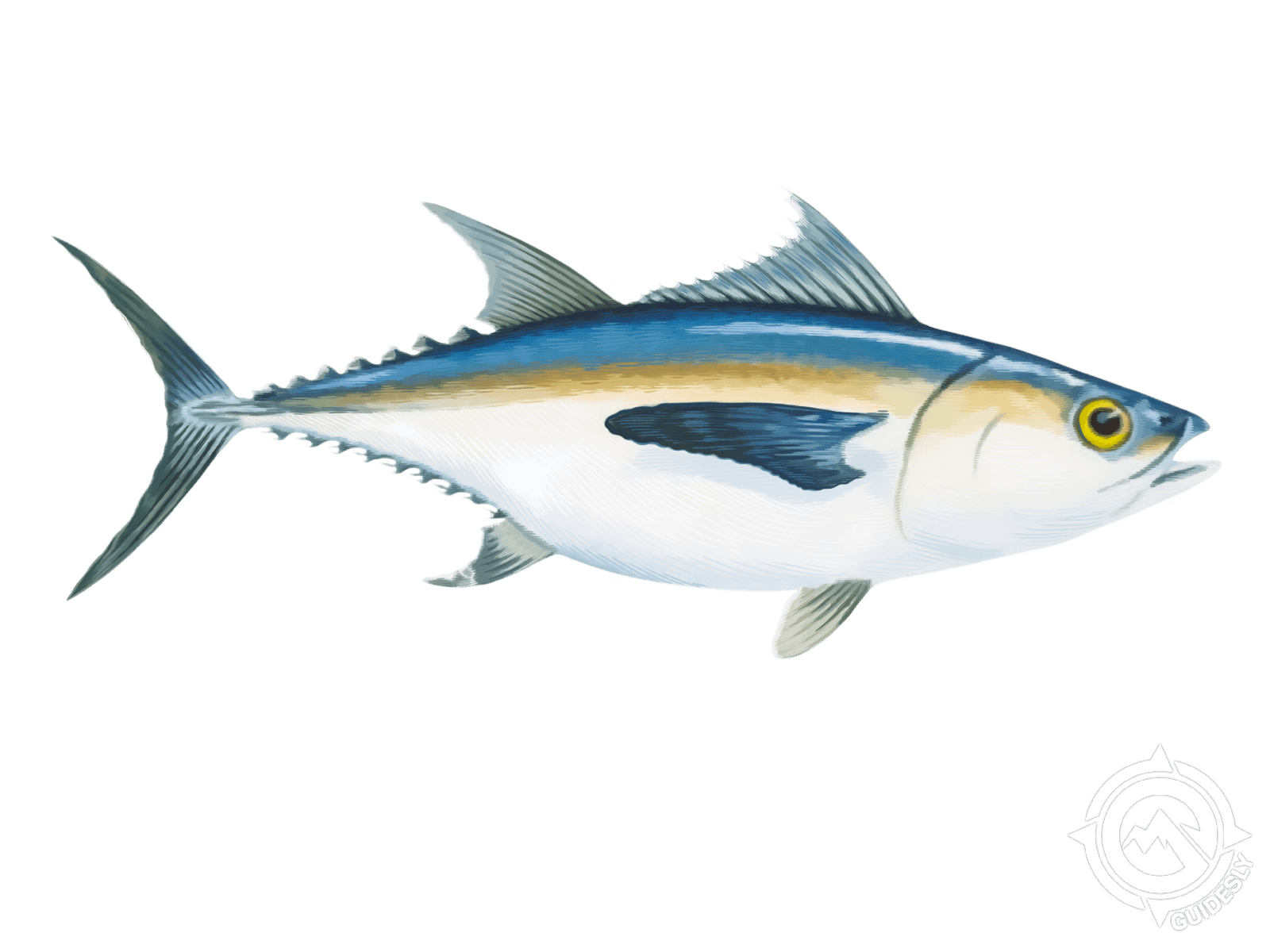
Blackfin Tuna
Blackfin tuna are the smallest in the tuna family, usually running 15-30 pounds, but they pack serious fight. These beautiful fish have that classic tuna build with striking yellow-gold bands that really pop when they're fresh out of the water. Around Miami, we find them in 40-150 feet, often mixed with skipjacks near current edges and structure. They're most active during our cooler months - fall through spring gives you the best shot. What guests love is how hard they pull for their size, plus the meat is fantastic - way better table fare than people expect from smaller tunas. My go-to tip: scale down your leader to 30lb fluorocarbon and use smaller hooks than you think. These fish have sharp eyes and will spook from heavy tackle. Live pilchards work magic, but keep that leader light.
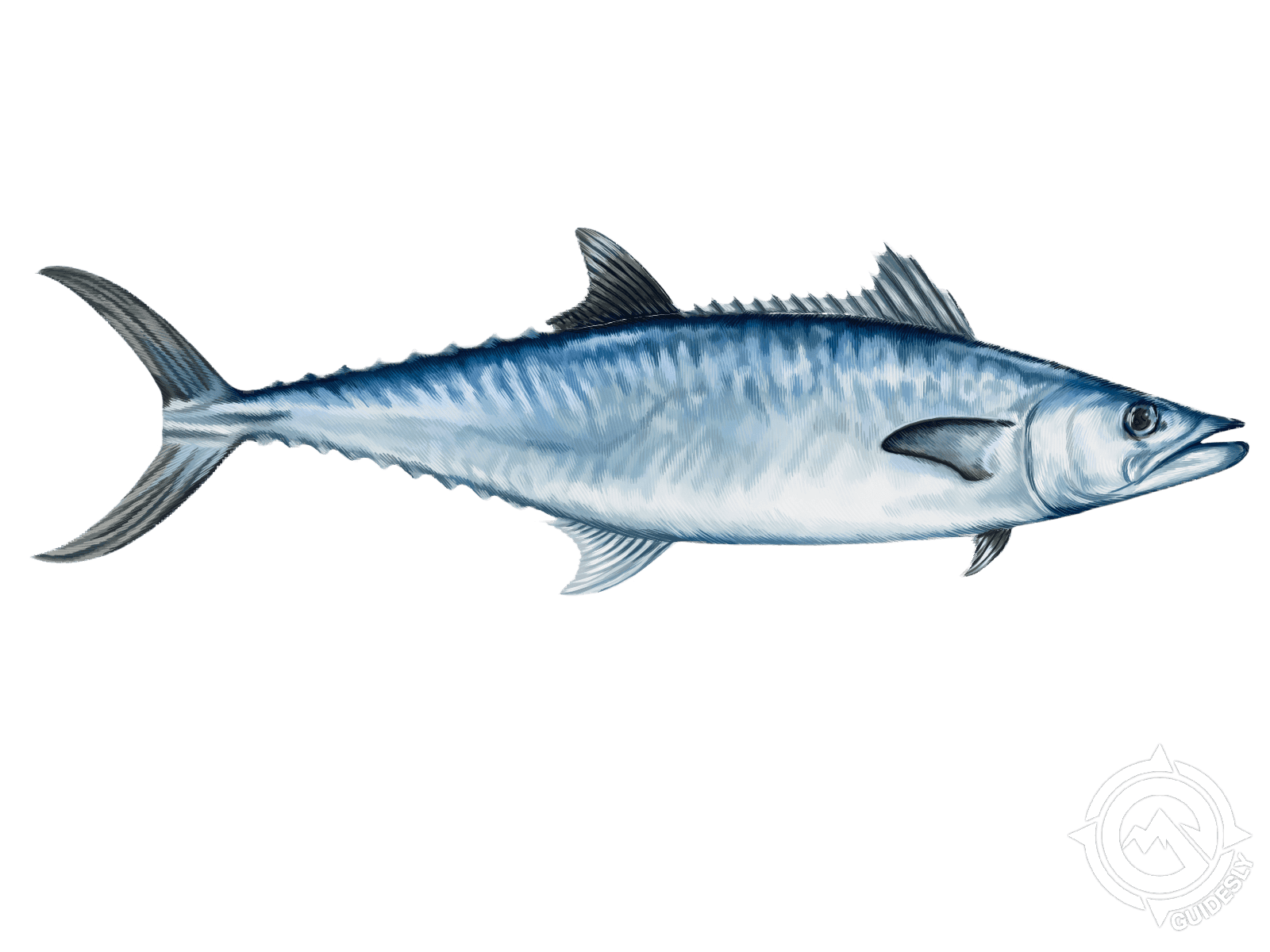
King Mackerel
King mackerel are speed demons that'll test your drag system and your arms. Most fish we see run 15-40 pounds, though the big females can push 60-plus. They cruise our waters year-round, but fall and winter bring the best action when they move closer to shore hunting baitfish. We typically find them in 40-150 feet along drop-offs and around structure. What makes them special is pure speed - they'll rip line like few other fish, and the meat is excellent if you ice it down quick. The trick with kings is using a two-hook rig on wire leader - they love to hit bait from behind with those razor teeth. Put one hook in the nose of your live bait and let another dangle near the tail. When trolling, keep those baits skipping on the surface to trigger that predator instinct.
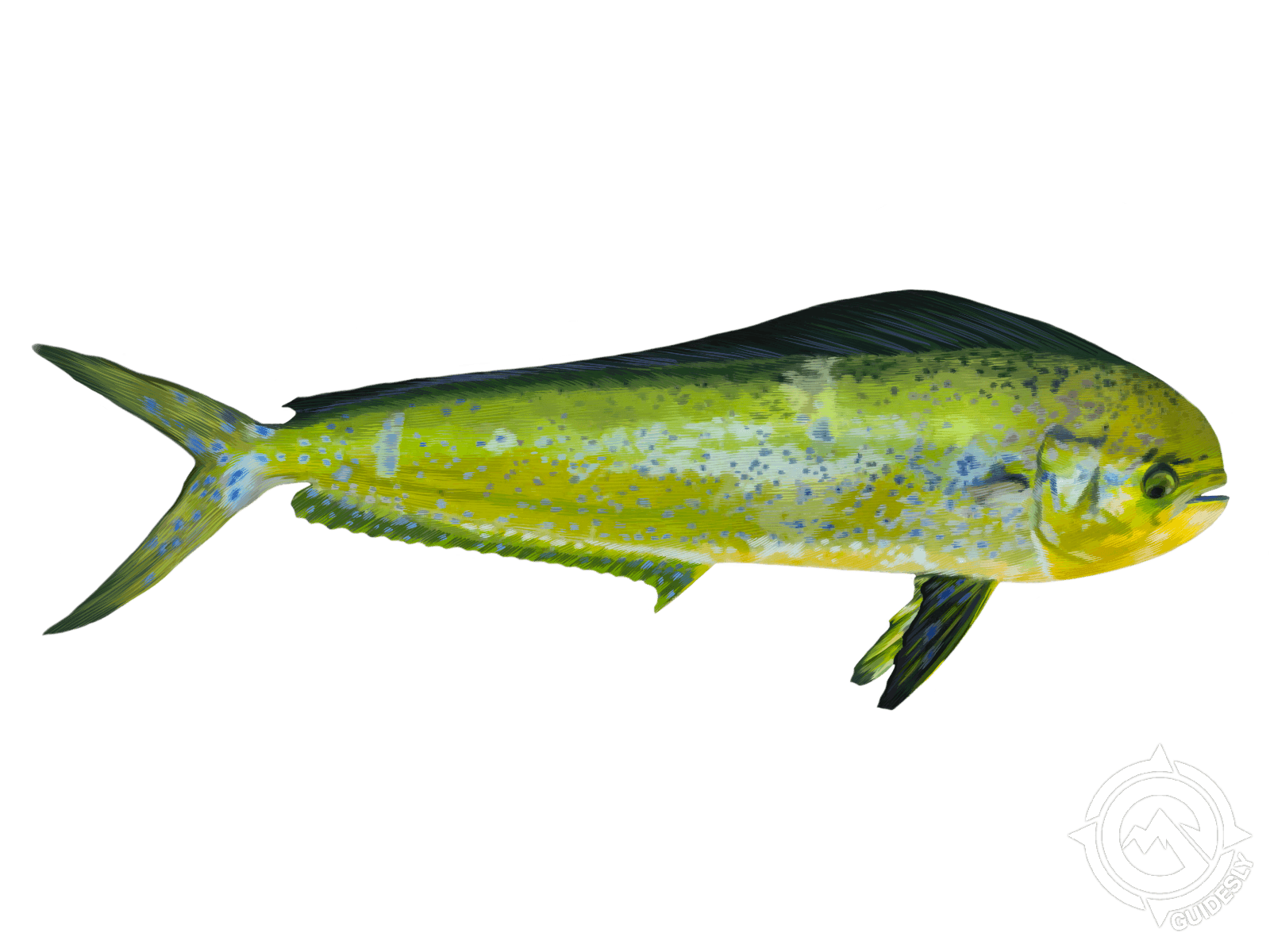
Mahi Mahi or Common Dolphinfish
Mahi are pure eye candy with their electric blues and golds, especially when they light up during the fight. Most run 10-25 pounds, though bulls can hit 40-plus. We target them around floating debris, weed lines, and current breaks, usually in 100-400 feet. Spring through fall is prime time here in Miami waters. What guests love most is the acrobatic show - these fish go airborne and change colors like a light display. Plus, they're among the best eating fish in the ocean with that sweet, firm white meat. The meat stays fresher longer if you ice them immediately. Here's the key: once you hook one, don't just fight that fish. Mahi travel in schools, so keep other lines out. Often the hooked fish will lead its buddies right to the boat, and you can load up quick if you're ready.
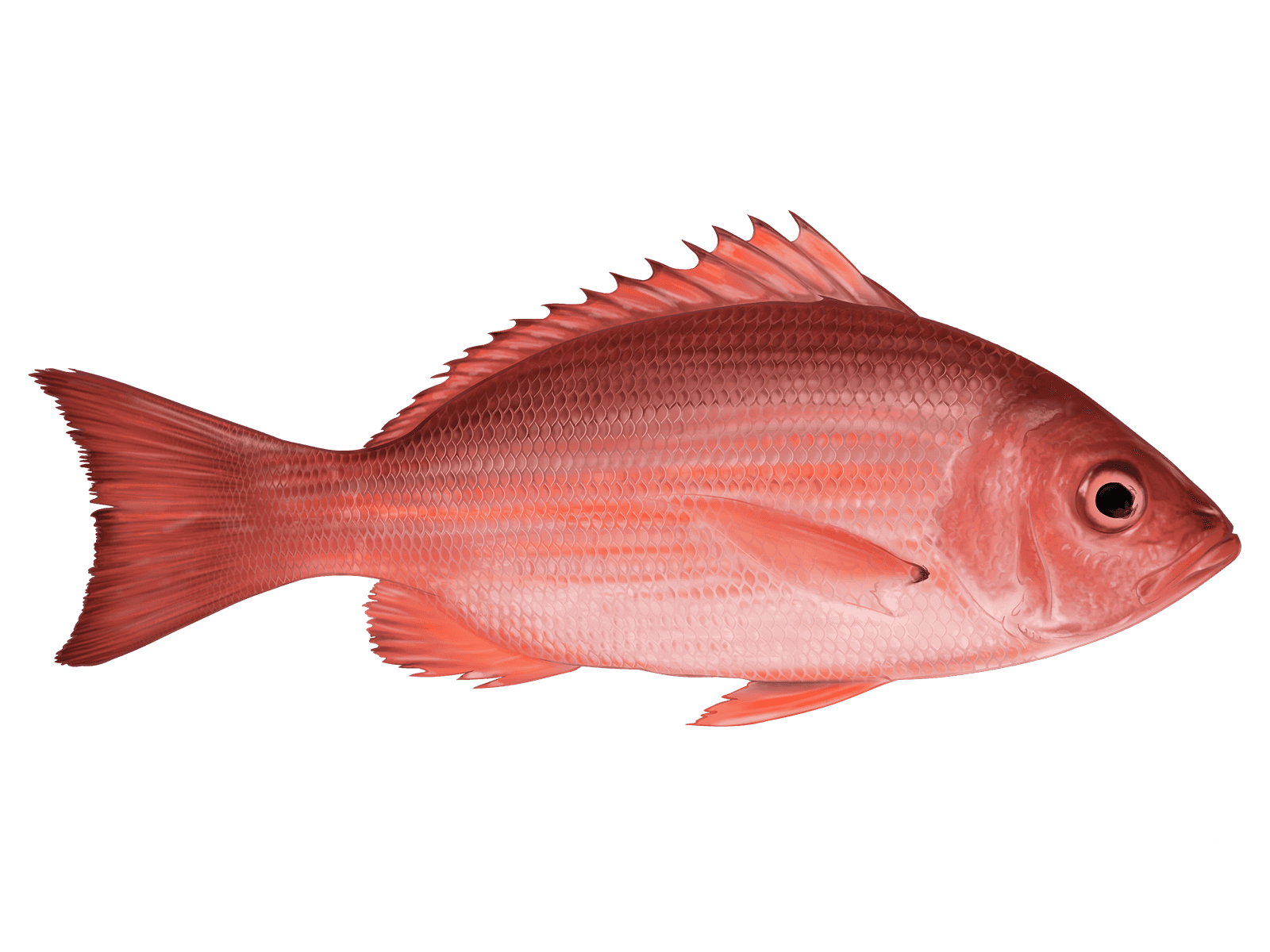
Red Snapper
Red snapper are the classic bottom-dweller that every angler wants to tangle with. These bruisers average 5-15 pounds, but 20-30 pounders show up regularly on our deeper reefs. We target them in 60-200 feet around hard bottom, wrecks, and ledges where they hang tight to structure. Summer months offer the best bite when they're most active feeding. What guests love is that powerful, head-shaking fight as they try to get back to their rocky hideouts, plus they're absolutely delicious with that sweet, nutty flavor. The trick is getting your bait down fast and keeping steady pressure - these fish will dive straight into the structure and cut you off if given the chance. Fresh squid or live pinfish on a heavy rig works best. Once hooked, don't let them get their head down or you'll be retying.
Wahoo Fish
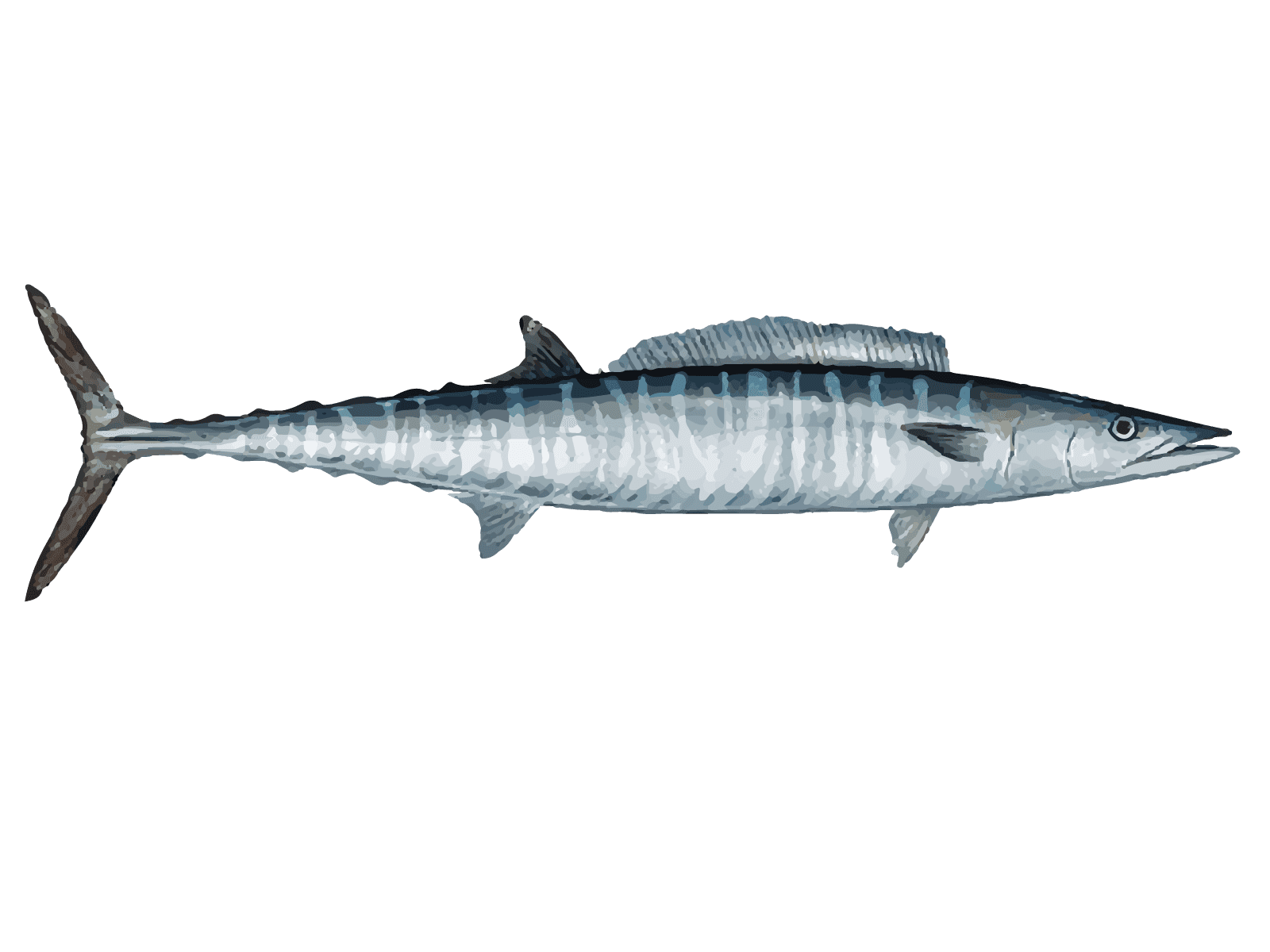
Wahoo are the ocean's race cars, hitting 60 mph and testing every piece of your tackle. These sleek predators typically run 20-50 pounds in our waters, with their distinctive zebra stripes and torpedo shape. We find them in blue water, usually 100-600 feet, around drop-offs and temperature breaks. Peak season runs July through November when they follow baitfish migrations. What sets them apart is that blistering initial run - nothing prepares you for a wahoo strike at full trolling speed. The meat is phenomenal too, white and flaky like premium swordfish. The secret is speed trolling at 12-15 knots with wire leaders - their razor teeth will slice through anything else in seconds. Heavy jigs work great around floating debris, but keep that drag tight. These fish have soft mouths and will throw the hook if you give them any slack.
About the Proline 2000
%2F%2Fusers%2F468c54f1-2616-4087-ab03-8e06040156bb%2Fvehicle_picture%2Fboatpicture1-mkkh8iwc.jpg&w=1920&q=75)
Vehicle Guest Capacity: 6
Manufacturer Name: Suzuki
Maximum Cruising Speed: 34
Number of Engines: 1
Horsepower per Engine: 300