%2Ffit-in%2F250x250%2Fguide_websites%2F73019%2Fimages%2F1768792463477logo-removebg-preview2.png&w=1920&q=100)
/users/468c54f1-2616-4087-ab03-8e06040156bb/ratecard/aqchvfaktdqu5jhsgdd5f8bvhyzq8lhn5fnoxsoatryhl4meauwitsonylbio8rekme7mllsltovcvudcljkrp5ekdmwum9thxwxhnasqmlv3iokppi_6joftmeveh8odvcv33_pux31j-806yxtlhm4crshjvzkwrys300-mkkkivwz.jpg)
%2F300x300%2Fusers%2F468c54f1-2616-4087-ab03-8e06040156bb%2Fratecard%2Faqchvfaktdqu5jhsgdd5f8bvhyzq8lhn5fnoxsoatryhl4meauwitsonylbio8rekme7mllsltovcvudcljkrp5ekdmwum9thxwxhnasqmlv3iokppi_6joftmeveh8odvcv33_pux31j-806yxtlhm4crshjvzkwrys300-mkkkivwz.jpg&w=256&q=75)
%2F300x300%2Fusers%2F468c54f1-2616-4087-ab03-8e06040156bb%2Fimages%2Ffishing-florida-adventure-2241.jpg&w=256&q=75)
%2F300x300%2Fusers%2F468c54f1-2616-4087-ab03-8e06040156bb%2Fimages%2Fnorth-miami-beach-fishing-2282.jpg&w=256&q=75)
%2F300x300%2Fusers%2F468c54f1-2616-4087-ab03-8e06040156bb%2Fimages%2Ffishing-florida-2295.jpg&w=256&q=75)
%2F300x300%2Fusers%2F468c54f1-2616-4087-ab03-8e06040156bb%2Fimages%2Ffishing-north-miami-beach-2125.jpg&w=256&q=75)
%2F300x300%2Fusers%2F468c54f1-2616-4087-ab03-8e06040156bb%2Fimages%2Fnorth-miami-beach-fishing-2234.jpg&w=256&q=75)
%2F300x300%2Fusers%2F468c54f1-2616-4087-ab03-8e06040156bb%2Fimages%2Fanglers-fishing-florida-2192.jpg&w=256&q=75)
%2F300x300%2Fusers%2F468c54f1-2616-4087-ab03-8e06040156bb%2Fimages%2Ffishing-triumph-fl-2297.jpg&w=256&q=75)
%2F300x300%2Fusers%2F468c54f1-2616-4087-ab03-8e06040156bb%2Fimages%2Ffishing-cruise-north-miami-beach-2287.jpg&w=256&q=75)
Miami Beach 4 Hour Eco Wildlife Fishing Cruise
What you will be catching:
 Blackfin Tuna
 King Mackerel
 Mahi Mahi or Common Dolphinfish
 Red Snapper
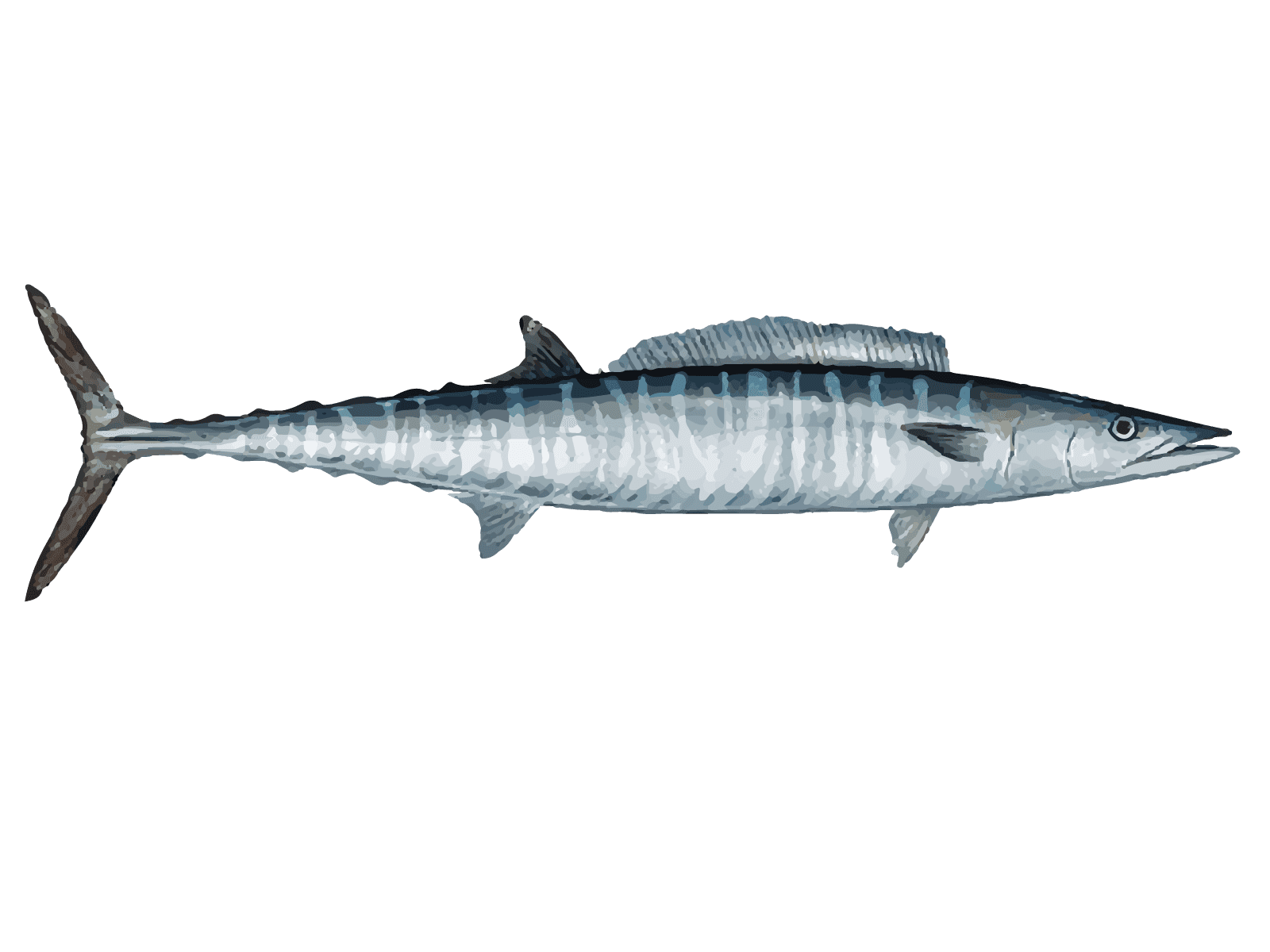
 Wahoo Fish
- 4-hour afternoon fishing tour with experienced local guide
- Wildlife viewing includes dolphins, manatees, and coastal birds
- Small group experience limited to maximum 4 guests
Trip Pricing and Availabilities:
Miami Beach Eco Fishing & Wildlife Tour
Get ready for something different on the waters around Miami Beach. This isn't your typical deep-sea fishing charter – it's a 4-hour afternoon adventure that combines serious angling with wildlife watching in one of Florida's most diverse marine environments. You'll be fishing for some of the Atlantic's most sought-after species while keeping your eyes peeled for dolphins, sea turtles, and the abundant bird life that calls these waters home. With just 4 guests max, you're guaranteed personal attention from your guide and plenty of room to cast without bumping elbows.
What to Expect on the Water
This top-rated eco tour kicks off in the afternoon when the Miami heat starts to mellow and the fish activity picks up. Your captain knows these waters like the back of their hand – from the shallow grass flats where snapper love to hide, to the deeper channels where the big pelagics cruise. The small group size means you'll get hands-on instruction whether you're a seasoned angler or picking up a rod for the first time. Between fishing spots, your guide will point out the local wildlife and share stories about Miami's marine ecosystem. Don't be surprised if a pod of dolphins decides to check out your boat or if you spot a manatee lazily surfacing nearby. The waters around Miami Beach are teeming with life, and this tour gives you the perfect chance to see it all while trying to land some world-class fish.
Techniques & Tackle
Your guide will have you covered with professional-grade tackle suited for everything from bottom fishing to trolling for pelagics. Depending on conditions and what's biting, you might be dropping live bait down to structure for snapper, or trolling colorful lures behind the boat to entice a mahi or king mackerel. The beauty of this eco-focused trip is the variety – one minute you're sight-fishing in crystal-clear shallows, the next you're working a school of tuna that's been marked on the fish finder. All gear, bait, and tackle are included, so you just need to bring yourself and maybe a cooler if you want to take your catch home. The captain will clean and fillet anything you decide to keep, though catch-and-release is always encouraged for the health of these renowned fishing grounds.
Top Catches This Season
Blackfin tuna are the speed demons of Miami's offshore waters, typically running between 10-30 pounds and putting up a fight that'll test your arms and your drag system. These fish are most active during the cooler months from October through March, often schooling near structure or temperature breaks. What makes them such a customer favorite is their combination of speed, stamina, and table fare – blackfins are absolutely delicious and perfect for sashimi if you're into that.
King mackerel, or "kings" as locals call them, are the toothy predators that patrol Miami's nearshore waters year-round, though fall and winter see the biggest specimens. These fish can stretch over 40 inches and weigh upwards of 30 pounds, making them a trending target for anglers who want to feel their rod bend. Kings are notorious for their blistering runs and aerial displays, plus they're fantastic on the grill with a little blackening seasoning.
Mahi mahi are the golden beauties that light up in brilliant colors when they're brought to the boat. These fish are most abundant from spring through early fall around Miami, often found near floating debris or weed lines. What guests love about mahi is their willingness to bite, their spectacular jumps when hooked, and their mild, flaky meat that's perfect for fish tacos. Plus, where you find one mahi, you'll often find a whole school.
Wahoo are the rockets of the deep, capable of speeds over 60 mph and known for completely spooling unsuspecting anglers. These silver bullets are most common in Miami waters during the winter months, and catching one is always a highlight of any trip. Their razor-sharp teeth and lightning-fast runs make them a challenge, while their firm, white meat makes them a prized catch for the dinner table.
Red snapper are the classic bottom fish that every angler dreams of hooking. Around Miami, you'll find them on deeper reefs and wrecks, typically in 80+ feet of water. These fish are smart and structure-oriented, requiring finesse and patience to fool. What makes red snapper so special is their bright red coloration, their reputation as one of the best eating fish in the Gulf Stream, and the fact that a good-sized snapper often signals a healthy reef ecosystem.
Time to Book Your Spot
This best-in-class eco fishing tour offers something you won't find on crowded party boats or high-pressure charter operations – a chance to connect with Miami's marine environment while pursuing some serious fish. The afternoon timing is perfect for avoiding the morning rush and catching that golden hour light on the water. With only 4 spots available, these trips fill up fast, especially during peak season when the fishing is hot and the weather's perfect. Whether you're looking to introduce someone to fishing, want to try something different from the typical Miami beach scene, or you're a serious angler who appreciates sustainable fishing practices, this tour delivers on all fronts. Book now and get ready to see Miami Beach from a whole new perspective – one where the wildlife is wild, the fish are fighting, and the memories last long after you've headed back to shore.
Learn more about the species
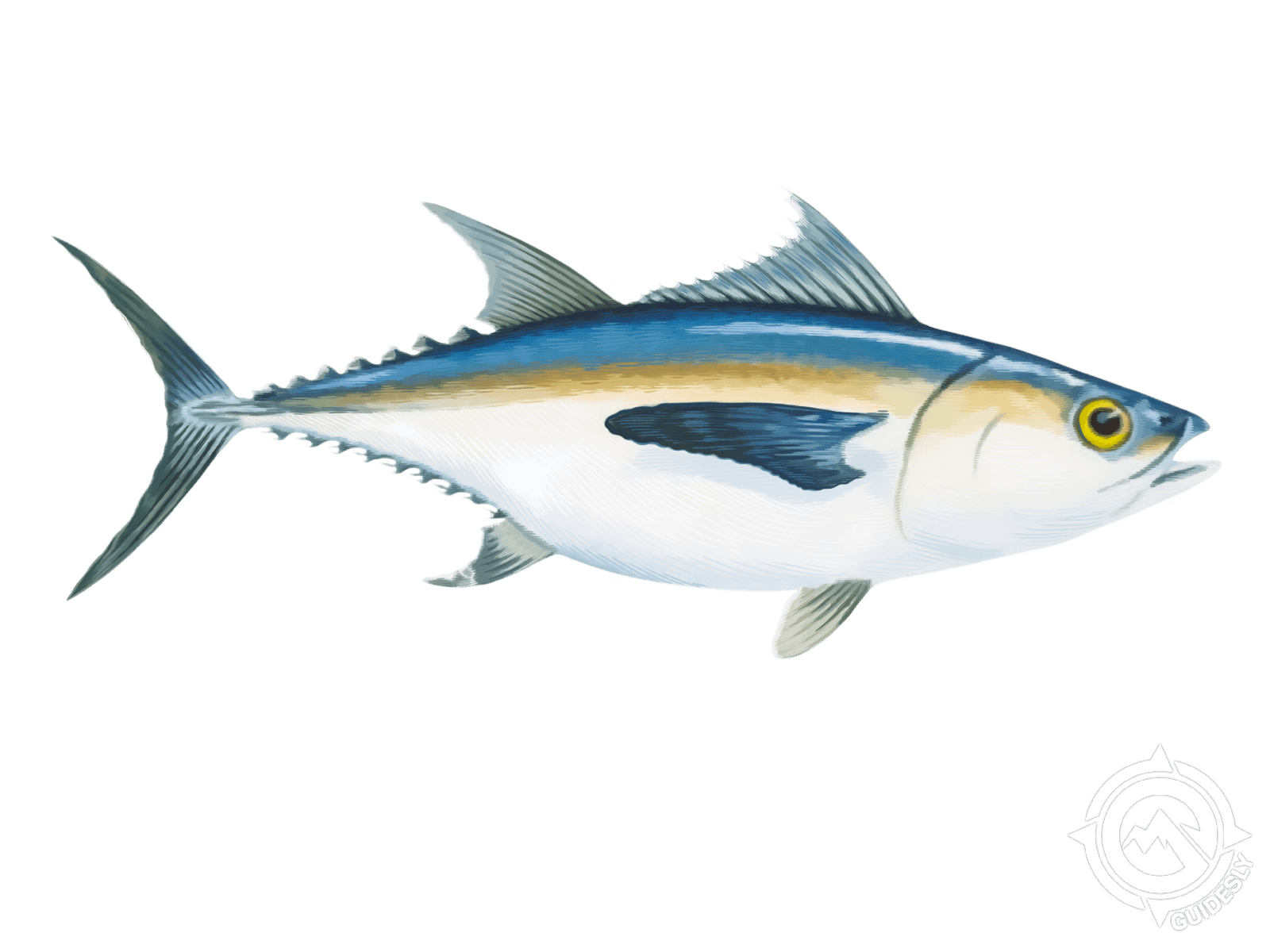
Blackfin Tuna
The smallest of the tuna family, blackfins are scrappy fighters that average 15-20 pounds but can reach 46 pounds. You'll spot them by their dark backs with faded yellow sides and that distinctive gold lateral band. They school up with skipjack tuna in our warm Miami waters, especially during fall through spring when temps stay above 68°F. These fish love the continental shelf edges and feed heavily on squid, small fish, and crustaceans. What makes them special is their fierce fight - they punch way above their weight class. Plus, the meat is top-notch for sashimi or grilling. Here's a local tip: scale down to lighter leaders and smaller circle hooks since blackfins have sharp eyesight. Use #30 fluorocarbon and 5/0 circles, and don't forget live pilchards for chum - they go crazy for them.
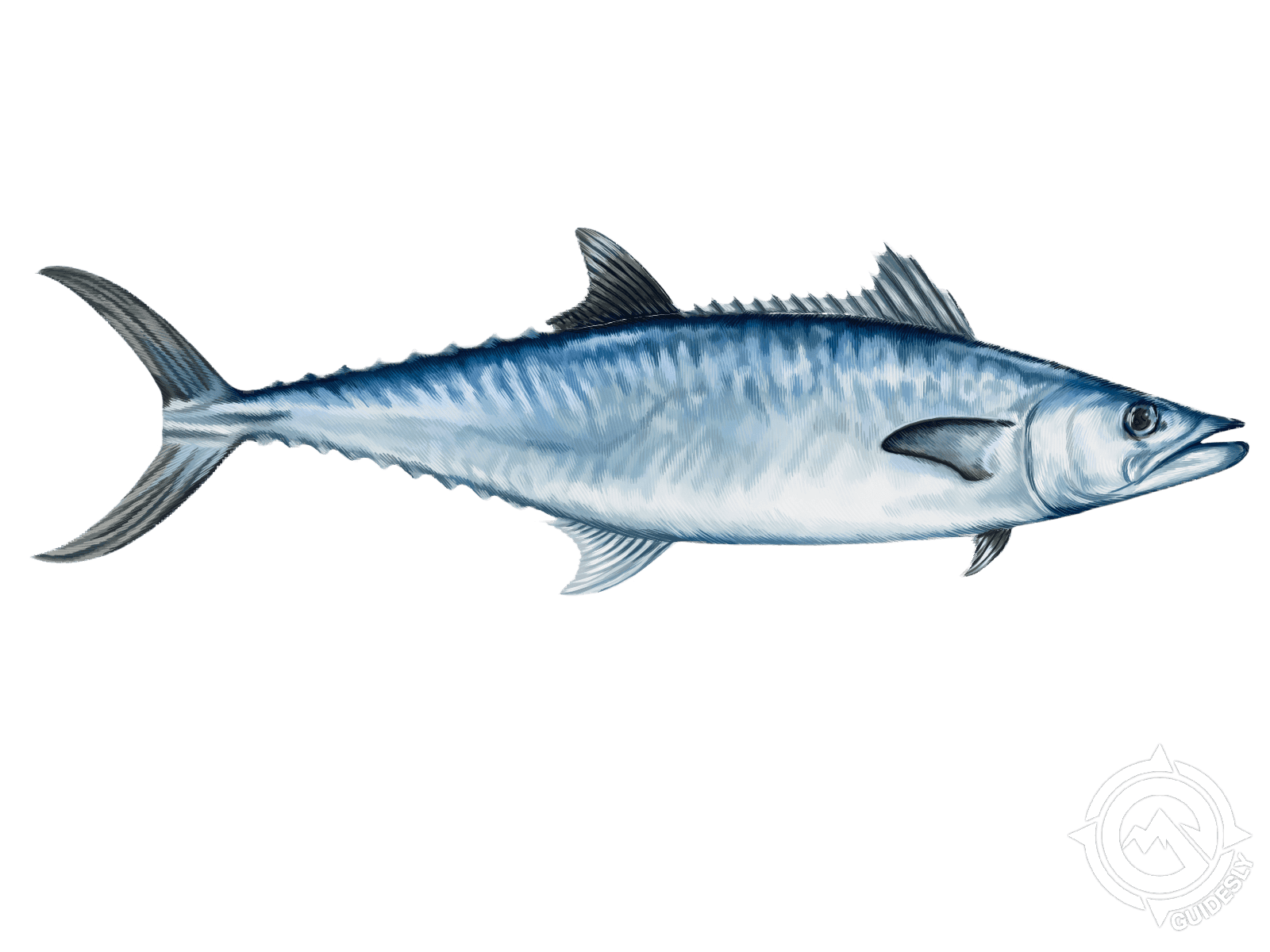
King Mackerel
These speedsters are what we call "smoker kings" - they'll burn line off your reel in a heartbeat. Most run 20-30 pounds, but we see plenty over 40 pounds, especially the older females. Look for them in 40-150 feet of water near drop-offs and structure. They're year-round residents here, but fall and winter are prime time when they move closer to shore. What guests love is that first screaming run - pure adrenaline when a king takes off at 40+ mph. The meat's excellent too, though watch the mercury if you're pregnant. They're smart fish with razor teeth, so here's what works: use wire leaders and rig two hooks on your live bait. Put one hook in the nose, another trailing in the back. Kings always bite the tail end of baitfish, so that second hook is your money shot.
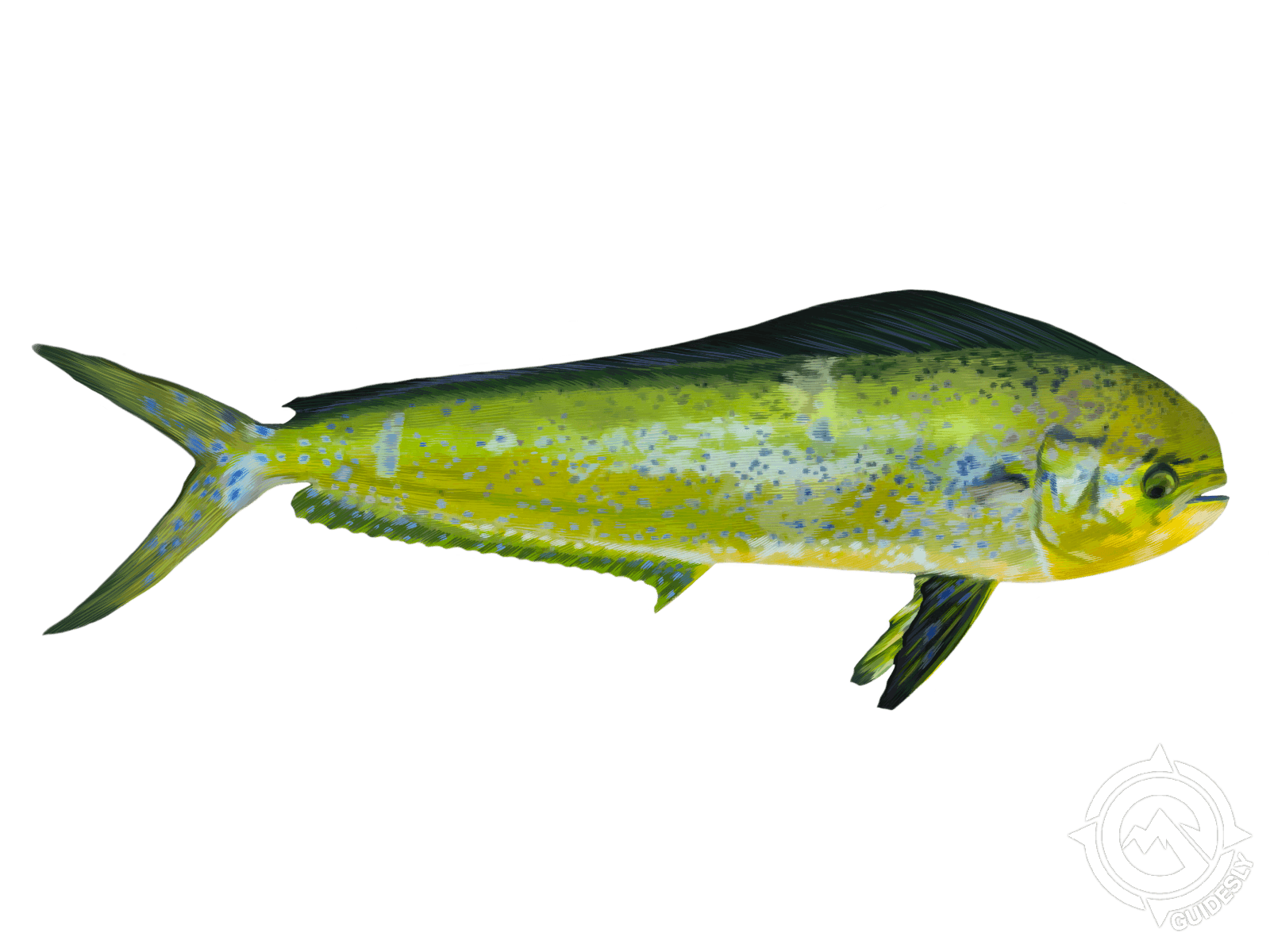
Mahi Mahi or Common Dolphinfish
These are the most beautiful fish we catch - brilliant gold and green colors that put on a light show when they come out of the water. Most mahi run 15-30 pounds and average 3 feet, but we've seen them over 60 pounds. They're surface dwellers that love floating debris, weed lines, and anything that creates shade in blue water. Spring through fall are peak times when water temps climb above 75°F. What makes mahi special is their acrobatic fight - they jump, dive, and never give up. Plus, they're hands-down the best eating fish out here with sweet, firm white meat. School fish usually mean more nearby, so we work fast once we find them. Pro tip: when you hook one, leave it in the water while you cast to the school. Mahi are curious and will stick around their hooked buddy.
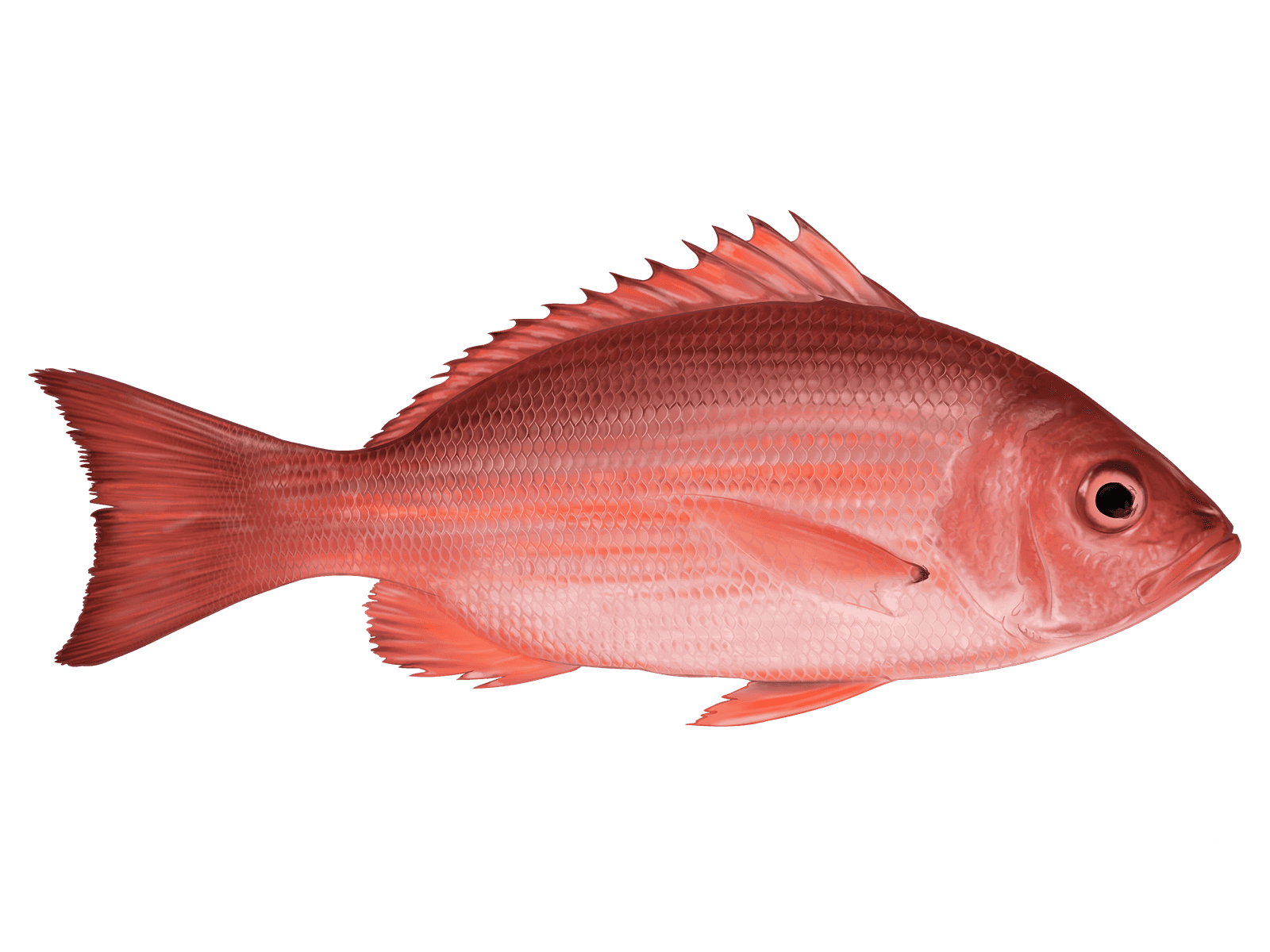
Red Snapper
These bottom-dwelling beauties are true fighters that'll give you a proper battle from 60-200 feet down. Most reds we see run 5-15 pounds, but don't be surprised by 20-pounders around structure. They live around wrecks, reefs, and hard bottom where they can ambush prey. Best fishing is during their spawn from May through October when they're most active. What makes them special is that stubborn, head-shaking fight all the way to the boat - plus they're some of the finest eating fish in the Gulf. That sweet, nutty flavor is restaurant-quality every time. Here's what works: heavy tackle with multiple hooks and fresh cut bait. Live pinfish or cigar minnows are gold. The trick is getting your bait to the bottom fast and keeping it there - these fish won't come up to meet you.
Wahoo Fish
The speed demon of our waters - these torpedo-shaped fish can hit 60 mph, making them one of the ocean's fastest. Most wahoo we catch run 20-40 pounds and stretch 4-5 feet, with their distinctive blue-striped silver sides. They cruise the deep blue water from 60-200 feet, often around floating debris or drop-offs. July through November is prime time here in South Florida. What guests love is that blistering first run when they peel line like no other fish. The meat rivals any premium fish - white, flaky, and mild. They're called "ono" in Hawaii, meaning delicious, and it's spot on. Here's the key: high-speed trolling at 12-15 knots with wire leaders. Those razor teeth will cut through anything else. Fresh ballyhoo or diving plugs work best when you're covering water fast.
About the Proline 2000
%2F%2Fusers%2F468c54f1-2616-4087-ab03-8e06040156bb%2Fvehicle_picture%2Fboatpicture1-mkkh8iwc.jpg&w=1920&q=75)
Vehicle Guest Capacity: 6
Manufacturer Name: Suzuki
Maximum Cruising Speed: 34
Number of Engines: 1
Horsepower per Engine: 300