%2Ffit-in%2F250x250%2Fguide_websites%2F73019%2Fimages%2F1768792463477logo-removebg-preview2.png&w=1920&q=100)
/users/468c54f1-2616-4087-ab03-8e06040156bb/ratecard/aqchvfaodpoclupit_en9olexyuu0inajgg_zjlzdpu0ynaq_jbwb8o1fnwmrtmzretrorslyq5pos9spoquvc7nrogskshs_hpkg397fyoftm1x-holmsafg_zday5oa-a35dh2gbzxquh5t36tbc113wvghzxmbjqs300-mkkkgsuy.jpg)
%2F300x300%2Fusers%2F468c54f1-2616-4087-ab03-8e06040156bb%2Fratecard%2Faqchvfaodpoclupit_en9olexyuu0inajgg_zjlzdpu0ynaq_jbwb8o1fnwmrtmzretrorslyq5pos9spoquvc7nrogskshs_hpkg397fyoftm1x-holmsafg_zday5oa-a35dh2gbzxquh5t36tbc113wvghzxmbjqs300-mkkkgsuy.jpg&w=256&q=75)
%2F300x300%2Fusers%2F468c54f1-2616-4087-ab03-8e06040156bb%2Fimages%2Ffishing-florida-adventure-2241.jpg&w=256&q=75)
%2F300x300%2Fusers%2F468c54f1-2616-4087-ab03-8e06040156bb%2Fimages%2Fnorth-miami-beach-fishing-2282.jpg&w=256&q=75)
%2F300x300%2Fusers%2F468c54f1-2616-4087-ab03-8e06040156bb%2Fimages%2Ffishing-florida-2295.jpg&w=256&q=75)
%2F300x300%2Fusers%2F468c54f1-2616-4087-ab03-8e06040156bb%2Fimages%2Ffishing-north-miami-beach-2125.jpg&w=256&q=75)
%2F300x300%2Fusers%2F468c54f1-2616-4087-ab03-8e06040156bb%2Fimages%2Fnorth-miami-beach-fishing-2234.jpg&w=256&q=75)
%2F300x300%2Fusers%2F468c54f1-2616-4087-ab03-8e06040156bb%2Fimages%2Fanglers-fishing-florida-2192.jpg&w=256&q=75)
%2F300x300%2Fusers%2F468c54f1-2616-4087-ab03-8e06040156bb%2Fimages%2Ffishing-triumph-fl-2297.jpg&w=256&q=75)
%2F300x300%2Fusers%2F468c54f1-2616-4087-ab03-8e06040156bb%2Fimages%2Ffishing-cruise-north-miami-beach-2287.jpg&w=256&q=75)
8 Hour Miami Beach Wahoo Tuna Offshore Charter
What you will be catching:
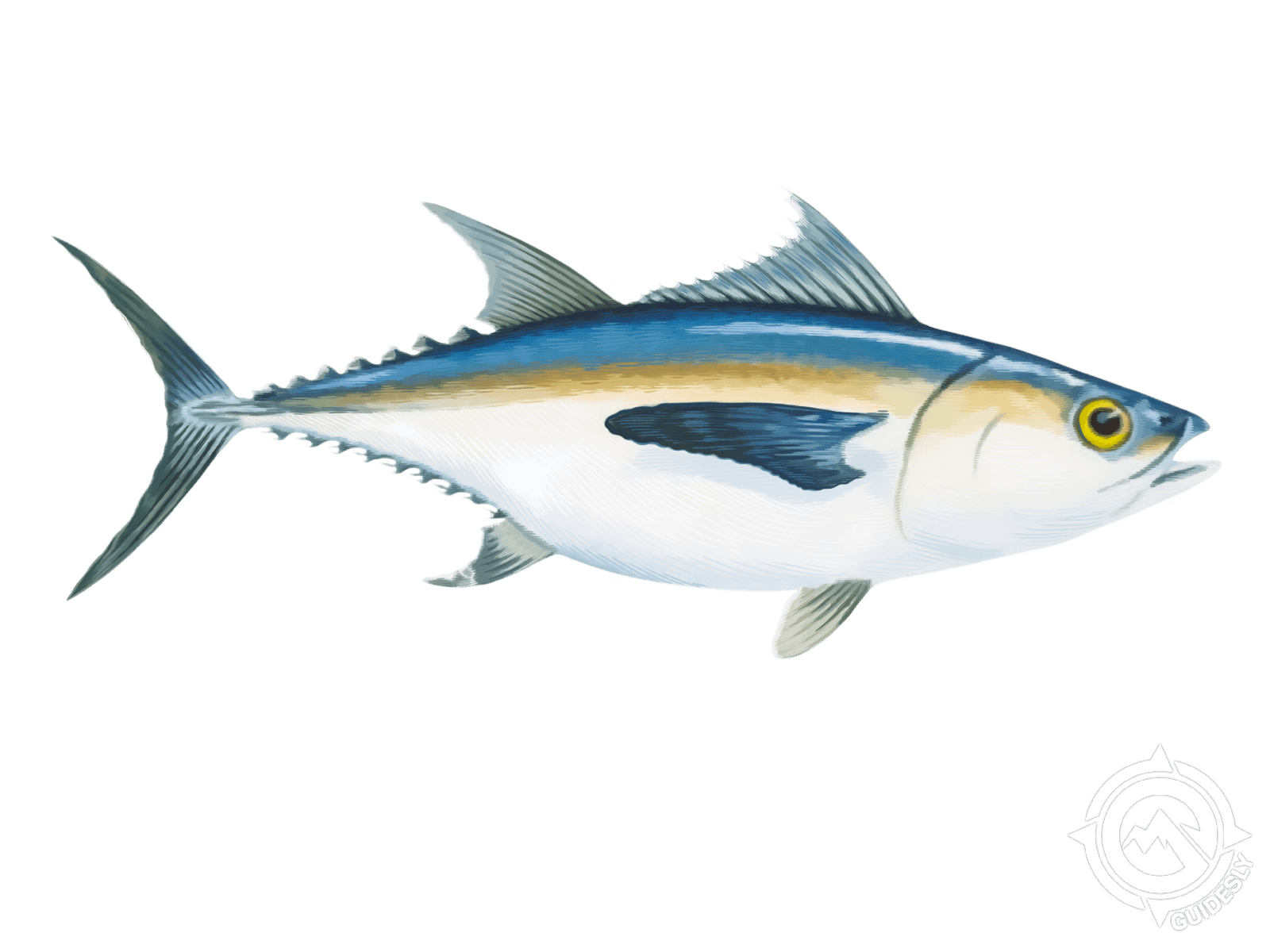
 Blackfin Tuna
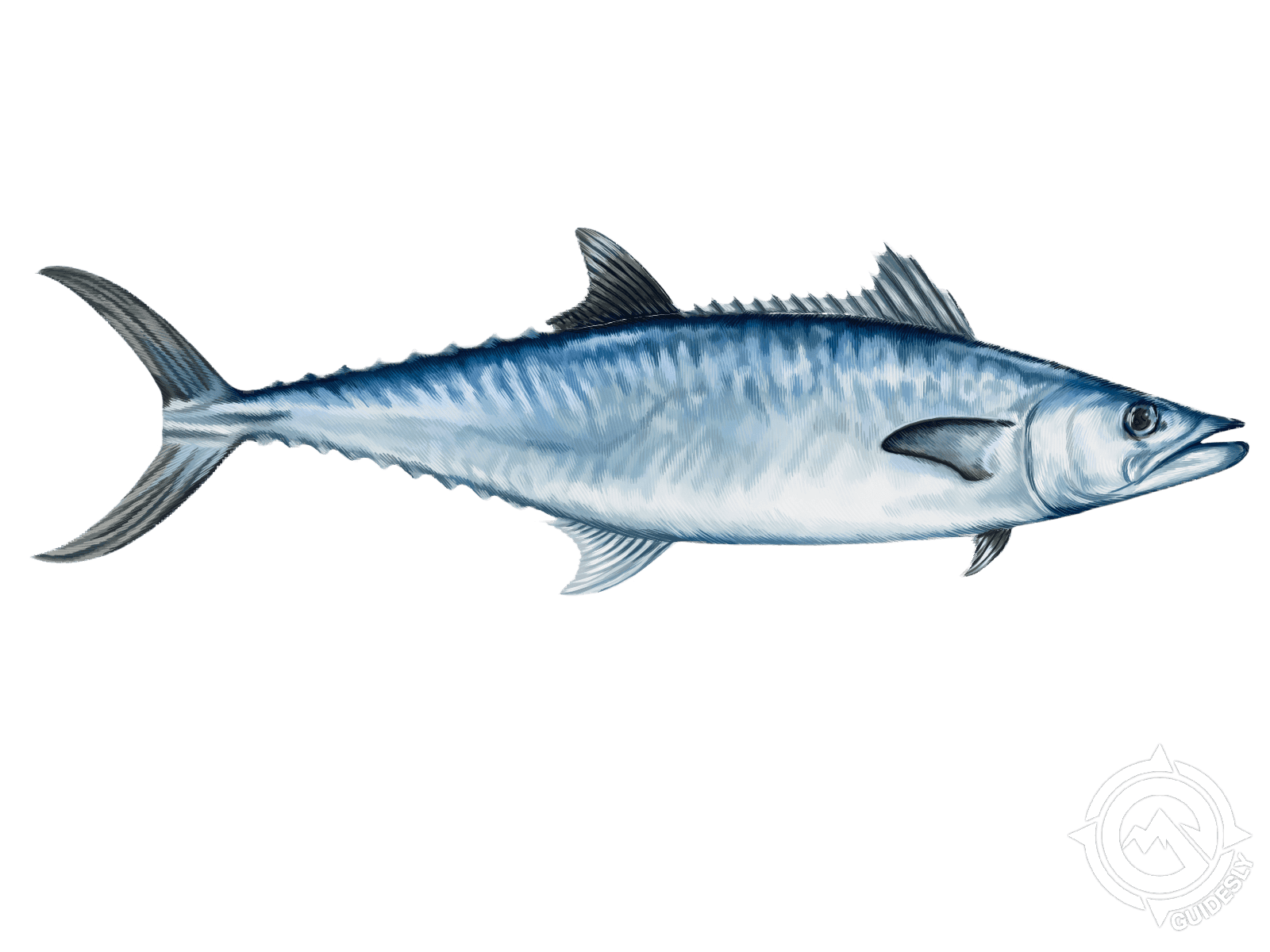
 King Mackerel
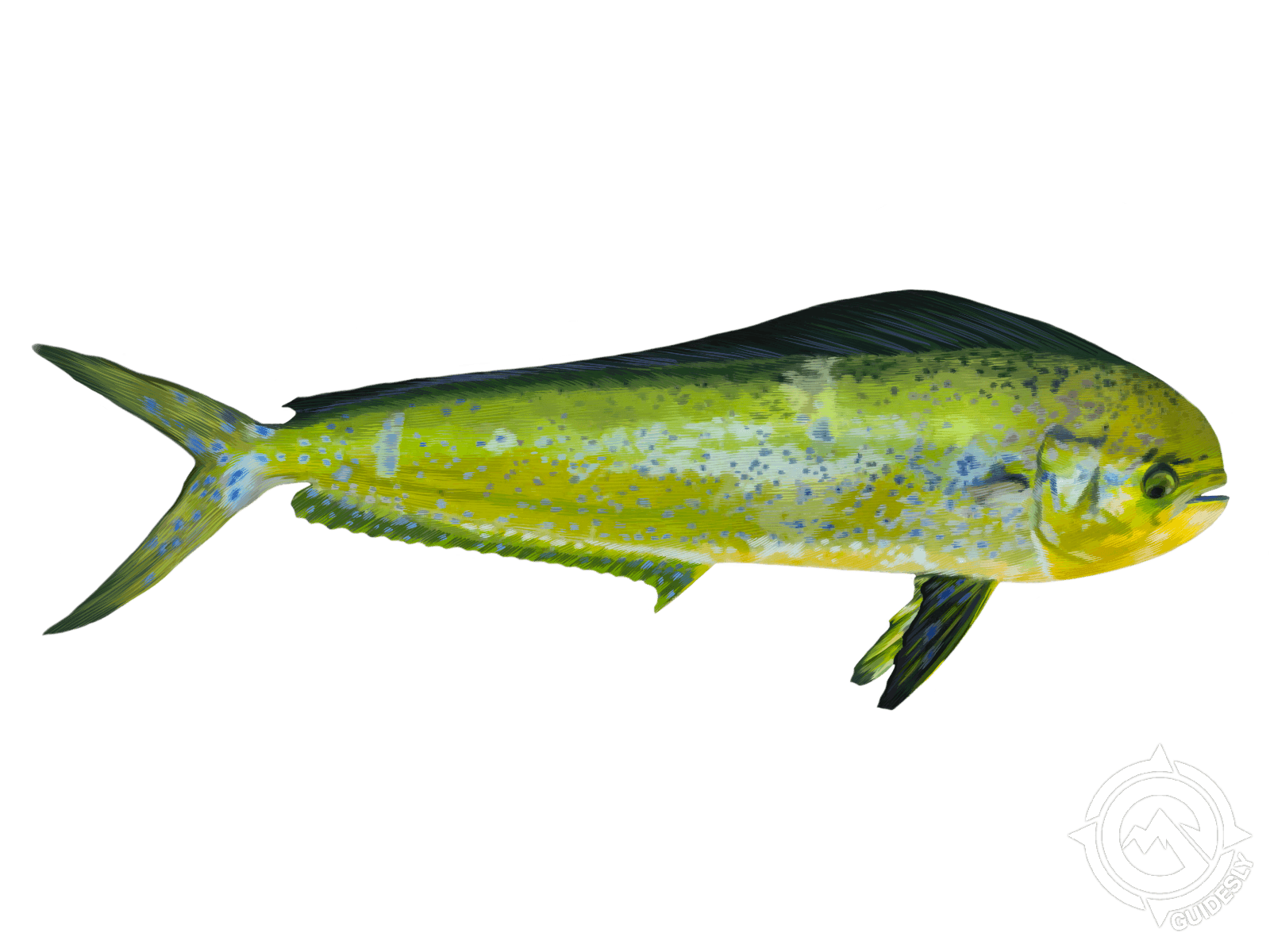
 Mahi Mahi or Common Dolphinfish
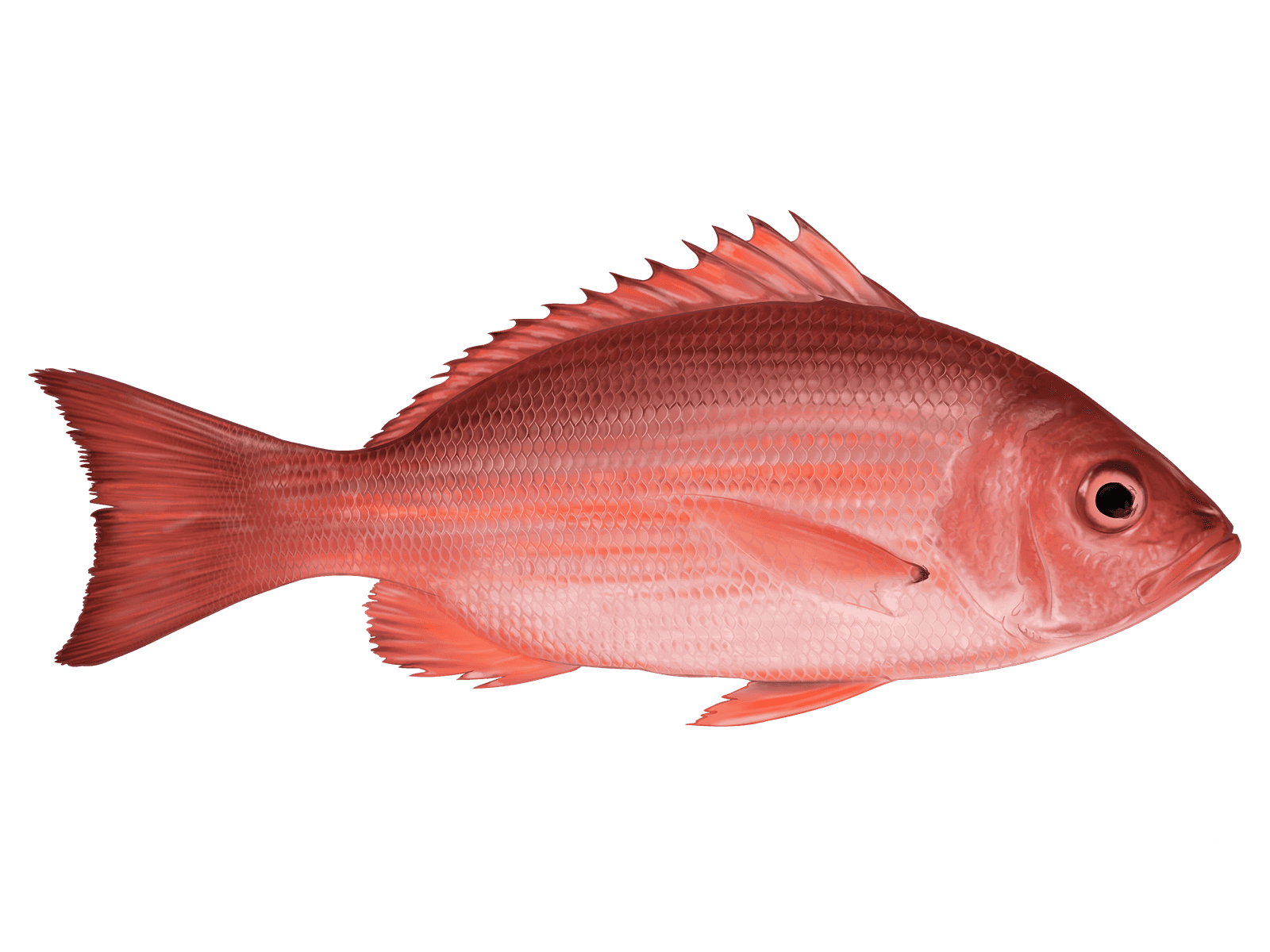
 Red Snapper
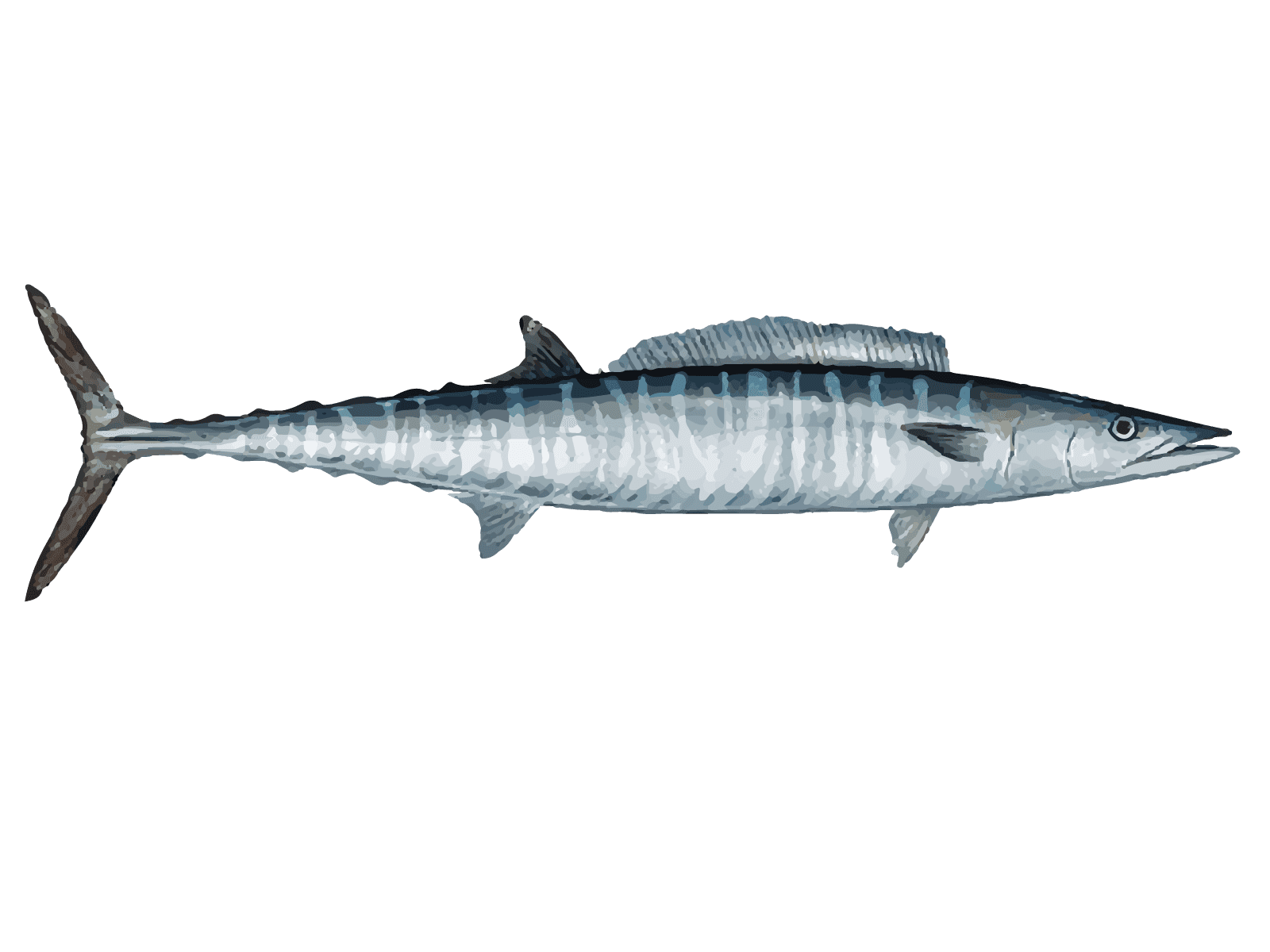
 Wahoo Fish
- 8-hour offshore charter targeting tuna, mahi-mahi, and wahoo
- Expert Captain James guides trips to Miami's most productive Atlantic waters
- Small 4-guest maximum ensures personalized attention and comfortable fishing
Trip Pricing and Availabilities:
Ultimate 8-Hour Deep Sea Fishing in Miami Beach
Captain James knows exactly what serious anglers are looking for when they head out into the deep Atlantic waters off Miami Beach. This isn't your typical half-day trip where you're rushing back to the dock just as the fish start biting. With a full 8 hours on the water, we've got the time to really work the fishing grounds and put you on the best action of the day. Whether the tuna are running strong on the edge or the mahi are lighting up the weed lines closer to shore, we can chase the bite wherever it takes us.
What to Expect on the Water
When you step aboard our boat at South Pointe Marina, you're getting access to some of the most productive deep sea fishing grounds on the entire East Coast. We typically head out to depths ranging from 400 to 1,200 feet, where the Gulf Stream creates the perfect conditions for pelagic species to thrive. The beauty of an 8-hour charter is flexibility – if the wahoo are crushing baits on the deeper reefs at first light, we'll start there. If the afternoon brings a mahi bite closer to shore, we've got plenty of time to capitalize on both opportunities. Captain James has been working these waters for years and knows exactly where to position the boat based on current conditions, water temperature, and seasonal patterns. You'll be fishing with top-quality tackle and fresh bait, and we keep the group small at just 4 anglers so everyone gets plenty of rod time.
Trolling Tactics & Gear Setup
Most of our fishing revolves around high-speed trolling with a spread of lures and live bait designed to trigger strikes from fast-moving pelagics. We run a combination of ballyhoo rigged on circle hooks, colorful skirted trolling lures, and sometimes live pilchards when we find them schooled up. The boat is equipped with outriggers and downriggers, allowing us to present baits at different depths and distances from the boat. When we're targeting tuna, we'll often switch to chunk baiting or live bait fishing once we locate the schools. For wahoo, it's all about speed – we'll pull lures at 12-15 knots to get their attention. The gear is heavy enough to handle anything that bites, with 30-50 pound class tackle that gives you a fighting chance against these powerful fish while still providing an exciting battle.
Top Catches This Season
The waters off Miami Beach are home to some of the most sought-after game fish in the Atlantic, and each species brings its own unique challenge and excitement to the table. Here's what you can expect to encounter during your 8-hour adventure.
Blackfin tuna are the bread and butter of Miami deep sea fishing, and for good reason. These compact powerhouses typically run 10-25 pounds and fight way above their weight class. They're most active during the cooler months from October through March, when they school up in huge numbers along the reef line. What makes blackfin so special is their incredible speed and stamina – they'll make blistering runs that test your drag system and keep you guessing right up until the gaff touches them. Plus, they're absolutely delicious on the dinner table.
King mackerel, or "kingfish" as we call them locally, are the perfect combination of size and aggression. These toothy predators can reach 40+ pounds in our waters and are known for their spectacular jumps and long, powerful runs. They're most active from April through October when the water temperatures rise. Kings are ambush predators that love to crush trolled baits, and when you hook a big one, you'll know it instantly. The trick is keeping them buttoned up – their razor-sharp teeth can slice through leader material in a heartbeat.
Mahi mahi are probably the most beautiful fish we catch out here, with their brilliant gold and green colors that light up when they're fighting. They typically range from 10-30 pounds, though bull dolphins over 40 pounds show up regularly. Mahi are most abundant from May through September and have a habit of traveling in schools, which means when you find one, there are usually more nearby. They're also fantastic table fare and relatively easy to clean, making them a customer favorite for families looking to take home dinner.
Wahoo are the speed demons of the deep, capable of reaching speeds over 60 mph. These torpedo-shaped predators typically weigh 20-60 pounds in our area and are most active during the winter months when they migrate through South Florida waters. What makes wahoo so exciting is their explosive strike – they'll absolutely demolish a trolling lure and immediately start peeling line off your reel. Their meat is prized for its firm, white texture that's perfect for grilling or making fish tacos.
Red snapper round out our target species list and represent some of the best bottom fishing Miami has to offer. These reef dwellers typically range from 5-15 pounds and are most active during the summer months when regulations allow harvest. Snapper fishing requires a different approach – we'll anchor up over productive bottom structure and drop down fresh cut bait. They're incredibly smart fish that require finesse and patience, but their firm, flaky meat makes them one of the most prized catches for the dinner table.
Time to Book Your Spot
An 8-hour deep sea charter represents the best value for serious anglers who want to maximize their time on the water and their chances of landing multiple species. With Captain James at the helm and access to Miami Beach's most productive fishing grounds, you're setting yourself up for a world-class fishing experience. The small group size ensures personalized attention and plenty of opportunities to get on the rod, while the extended time frame gives us the flexibility to adapt to changing conditions and chase the best bite of the day. Whether you're looking to check these species off your bucket list or just want to experience some of the best offshore fishing the Atlantic has to offer, this trip delivers the goods.
Learn more about the species
Blackfin Tuna
The smallest member of the tuna family, blackfins typically run 15-30 pounds but pack serious fight. These beauties have dark backs with golden sides that fade once boated - a real color show when they come up. Around Miami, we find them year-round in 100-400 feet of water, especially near temperature breaks and current edges. Fall through spring offers the best action when they school up tight. What makes blackfins special is their speed and stamina - they'll make screaming runs that test your drag. The meat is outstanding too, perfect for sashimi or searing. Pro tip: scale down your tackle with 30-pound fluoro leaders and 5/0 circles. These fish have sharp eyes, so finesse beats brute force. When you find one, there's usually a whole school underneath.
King Mackerel
These speed demons are pure adrenaline on a rod. Kings average 20-40 pounds but can hit 60+ pounds, and they're built for one thing - going fast. We target them in 40-150 feet around structure, wrecks, and along the reef edge. The bigger fish often cruise closer to shore near inlets. Spring through fall is prime time when water temps hit 68-80°F. What guests love about kings is that explosive first run - they'll scream drag like few fish can. Plus, the meat is excellent when bled and iced properly. These fish have razor-sharp teeth, so wire leaders are a must. My go-to technique is slow-trolling live bait with a stinger hook rig. Hook the bait through the nose with your main hook, then let a treble dangle near the tail - kings love to hit from behind.
Mahi Mahi or Common Dolphinfish
Mahi are the perfect gamefish - beautiful, strong fighters that taste amazing on the table. These fish typically run 15-30 pounds, with that distinctive blunt head on males and the incredible color show when they're fired up. We find them under floating debris, weed lines, and around current breaks in blue water. Spring through fall is peak season when water temps stay above 68°F. What makes mahi special is their acrobatic fight - expect jumps, runs, and plenty of head shaking. The white, flaky meat is restaurant quality. They're also fast growers, so you're not hurting the fishery. Here's the key: when you hook one, leave it in the water while you get more lines out. Mahi are schoolfish, and that hooked fish will keep the others around. We often catch multiple fish from the same school this way.
Red Snapper
Bottom dwellers that'll give you a proper fight, red snapper are the prize of deep water structure fishing. These crimson beauties average 5-15 pounds but can push 30+ on the right spots. We target them in 80-200 feet around wrecks, ledges, and rocky bottom where they stack up thick. Summer months offer the best bite when they're most active. What guests love is the heavy pull and head-shaking fight as they try to get back to cover. The white, sweet meat is restaurant quality - some of the best eating in the Gulf. These fish are smart and structure-oriented, so you need to get your bait right to the bottom. My trick: use just enough weight to stay down but not so much that it feels unnatural. Live pinfish or fresh squid work best. Once hooked, keep steady pressure and get them up quickly before they wrap your line around structure.
Wahoo Fish
The rocket ship of the ocean - wahoo are hands down the fastest fish we target, hitting speeds up to 60 mph. These torpedo-shaped predators average 30-50 pounds with that distinctive zebra stripe pattern. We find them in open blue water, usually within 66 feet of the surface around floating debris or drop-offs. Best action runs from July through November when they're most abundant. Guests love wahoo for that blistering initial run and the premium table fare - the white, flaky meat rivals any restaurant fish. The challenge is their razor teeth that'll cut through mono like butter. Wire leaders are mandatory, and we troll fast at 12-15 knots with diving plugs or skirted ballyhoo. Pro tip: when a wahoo hits, don't slow the boat immediately. Let that first run happen while maintaining trolling speed - it hooks them better and prevents throw-offs.
About the Proline 2000
%2F%2Fusers%2F468c54f1-2616-4087-ab03-8e06040156bb%2Fvehicle_picture%2Fboatpicture1-mkkh8iwc.jpg&w=1920&q=75)
Vehicle Guest Capacity: 6
Manufacturer Name: Suzuki
Maximum Cruising Speed: 34
Number of Engines: 1
Horsepower per Engine: 300